In the dynamic world of home cooking and baking, where every ingredient counts and precision is paramount, the right tools can make all the difference. Among the myriad of kitchen utensils, the silicone spatula has risen to prominence, becoming an indispensable companion for both seasoned chefs and enthusiastic home cooks. Far more than a simple mixing tool, a high-quality silicone spatula offers a unique blend of functionality, durability, and safety that elevates your culinary experience. This guide, drawing on extensive research and hands-on experience, will navigate you through the essential aspects of choosing, using, and caring for the best silicone spatulas, ensuring your kitchen is equipped with reliable partners for every task.
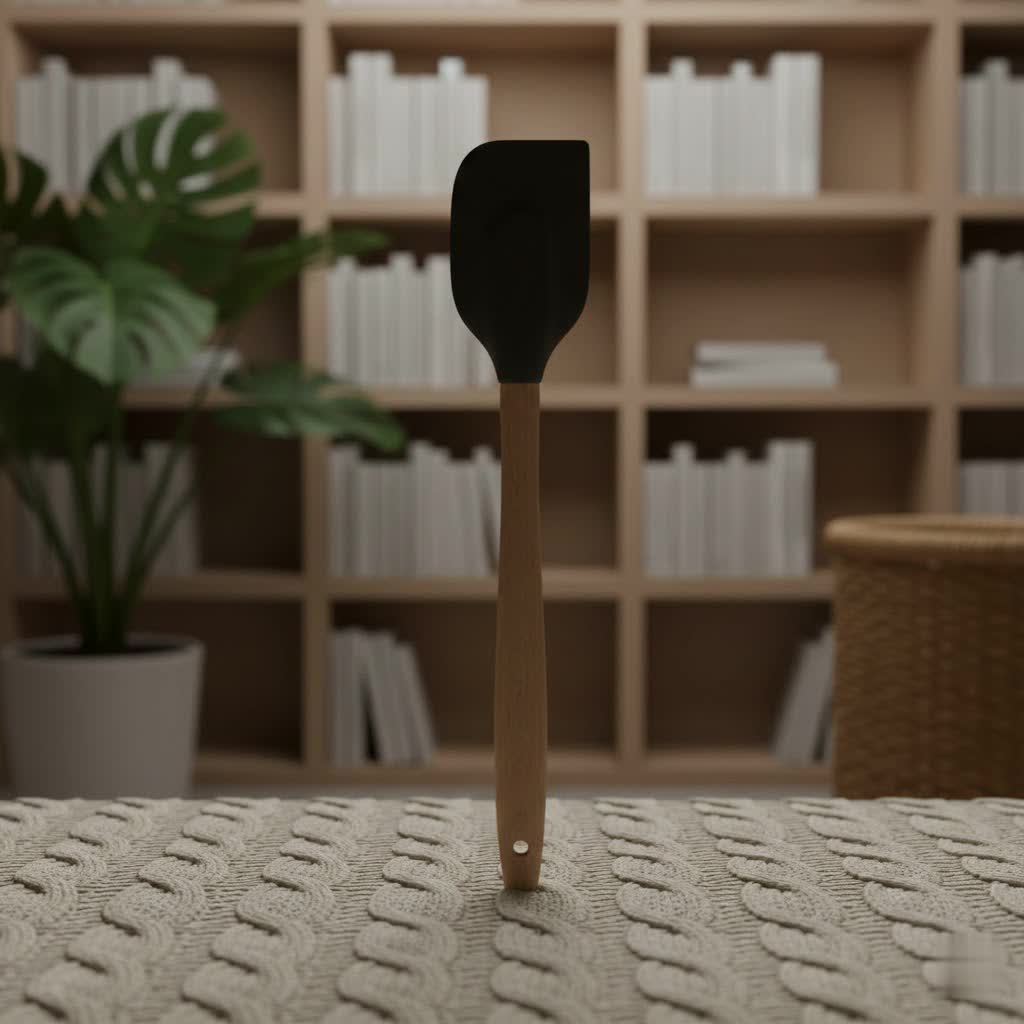
Why Silicone Spatulas Are Revolutionizing Kitchens
Silicone spatulas stand out in a crowded field of kitchen tools, offering a host of advantages that traditional materials simply cannot match. Unlike their counterparts made from wood, metal, or plastic, silicone brings unparalleled versatility and performance to your culinary endeavors.
Firstly, exceptional heat resistance is a hallmark of Good Silicone Spatulas. High-quality food-grade silicone can withstand temperatures typically ranging from 480°F to 600°F (250°C to 315°C), making them perfectly safe for stirring hot sauces, sautéing vegetables, or scraping down bowls of freshly baked goods straight from the oven. This eliminates the worry of melting or warping that often plagues plastic utensils when exposed to high heat.
Secondly, their unique blend of flexibility and durability is a game-changer. A well-designed silicone spatula is flexible enough to conform to the curves of any bowl or pan, ensuring every last bit of batter or sauce is scraped clean, minimizing waste. Yet, they possess enough rigidity, often due to an internal core of nylon or stainless steel, to handle thick doughs and heavy mixing tasks without bending into an ineffective “L” shape.
Moreover, silicone spatulas are incredibly gentle on cookware. Their soft, non-abrasive nature means they won’t scratch or damage the delicate surfaces of non-stick pots and pans, significantly extending the lifespan of your valuable kitchen investment. This is a stark contrast to metal spatulas, which, while durable, can easily mar non-stick coatings.
Finally, the hygiene and safety aspects of silicone are superior. Made from food-grade, BPA-free silicone, these spatulas are non-toxic and do not leach harmful chemicals into your food, even at high temperatures. Their non-porous surface resists stains and odors, and most are conveniently dishwasher safe, making cleanup a breeze.
The Diverse World of Silicone Spatulas: Types for Every Task
The term “silicone spatula” encompasses a variety of shapes and designs, each optimized for specific kitchen functions. Understanding these differences can help you select the right tool for the job, enhancing efficiency and enjoyment in your cooking.
- Scrapers: These are the classic, flat-headed spatulas with thin, flexible edges. They excel at scraping down the sides of mixing bowls, folding delicate ingredients, and transferring batters.
- Turners (or Flipper Spatulas): Featuring a wider, often angled head, turners are designed for flipping foods like pancakes, eggs, or burgers. Many have a beveled edge to easily slide under food.
- Spoonulas: A hybrid of a spoon and a spatula, spoonulas have a slightly scooped head. They are excellent for both scraping and scooping, making them ideal for mixing, serving, and getting into corners of pans.
- Mini Spatulas: Smaller versions of standard spatulas, these are perfect for working with small containers, jars, or for delicate tasks like decorating cupcakes.
- Jumbo Spatulas: Larger and often sturdier, jumbo spatulas are great for handling large batches of dough, spreading frosting on cakes, or working with bigger pots and pans.
How to Choose the Perfect Silicone Spatula for Your Kitchen
Selecting the ideal silicone spatula involves more than just picking the first one you see. A discerning eye for quality and design will ensure you invest in a tool that performs reliably for years.
Quality of Silicone: Food-Grade and Beyond
|
Our Picks for the Best Silicone Spatula in 2026
As an Amazon Associate I earn from qualifying purchases.
|
||
| Num | Product | Action |
|---|---|---|
| 1 | HOTEC Heat Resistant 600℉ Food Grade Silicone Rubber Spatula Set for Baking, Cooking, and Mixing Non Stick Dishwasher Safe BPA-Free Multicolor Set of 5 |

|
| 2 | 5 Pieces Silicone Spatula Set, Food Grade Rubber Spatula, Upgrade Strong Handle with Ergonomic Grip, Heat Resistant Up to 600°F for Nonstick Cookware, Cooking Candy Series |
|
| 3 | Unicook 2 Pack Flexible Silicone Spatula, Turner, 600F Heat Resistant, Ideal for Flipping Eggs, Burgers, Crepes and More, Black |
|
| 4 | 5 Pieces Silicone Spatula Set, Food Grade Rubber Spatula, Upgrade Strong Handle with Ergonomic Grip, Heat Resistant Up to 600°F for Nonstick Cookware, Cooking |
|
| 5 | Amazon Basics Silicone Spatulas, 5-Piece Set, BPA-Free, Heat-Resistant and Dishwasher-Safe, Linen Gray |
|
| 6 | Coukre 2 Pack Silicone Spatula Set, High Heat Resistant, BPA Free Kitchen Spatula, Solid & Slotted Turner for Non-Stick Pans, Sautéing, and Flipping (2, PureBlack) |
|
| 7 | Coukre Silicone Spatula Set of 5,High Temperature Resistant, Food Grade Silicone, Dishwasher Safe, for Baking, Cooking (Pure Colorful A) |
|
| 8 | Pack of 4 Silicone Cooking Utensils Set, Non Stick Solid Spatulas and Heat Resistant Slotted Spoons with Back Hooks, Ideal BPA Free Kitchen Utensils Set for Frying,Serving,Turning,Stirring(KHAKI) |
|
| 9 | NileHome Silicone Spatula Set, 6 Pieces Food Grade Kitchen Utensils with Silicone Brush Heat Resistant BPA-free Rubber Spatula for Scraping, Baking, Cooking, Mixing |
|
| 10 | DI ORO Silicone Spatula - 600°F Heat-Resistant Rubber Kitchen Spatula for Baking, Scraping, & Mixing - BPA Free Nonstick Cookware Safe Flexible Utensil for Cooking - Seamless & Dishwasher Safe (Black) |
|
Always prioritize spatulas made from 100% food-grade silicone. This certification ensures the material is free from harmful chemicals like BPA. For superior quality, look for platinum-cured silicone (also known as addition-cured). This manufacturing process uses a platinum catalyst, resulting in a purer, more stable material without chemical byproducts or foul odors. Platinum-cured silicone is less likely to degrade under high heat and is often trusted in medical devices and baby products, making it an excellent choice for your kitchen.
Heat Resistance: Know Your Limits
While all silicone is heat-resistant, the exact temperature rating can vary. Check the product specifications, as a good silicone spatula should comfortably withstand at least 450°F (232°C), with many high-quality options reaching 600°F (315°C). This ensures safe use in virtually all cooking scenarios without the risk of melting or degrading.
Flexibility and Strength: The Balanced Performer
An effective silicone spatula strikes a balance between flexibility and strength. The head should be pliable enough to scrape bowls clean, conforming to their curves, but rigid enough to handle thick batters or lift heavier foods without buckling. Many top-tier spatulas achieve this by incorporating a durable internal core, often made of nylon or stainless steel, which provides necessary stability without compromising the silicone head’s gentle nature.
Design and Construction: Seamless for Superior Hygiene
The best silicone spatulas feature a one-piece, seamless construction. This design eliminates crevices where food particles can get trapped and bacteria can grow, making them incredibly hygienic and easy to clean. If a spatula has a separate head and handle, ensure the connection is robust and sealed tightly to prevent moisture and food buildup. Ergonomic handles that offer a comfortable, non-slip grip are also crucial for extended use.
Size and Versatility: Matching Tool to Task
Consider the size and shape of the spatula head relative to your most common cooking tasks. A versatile spatula typically has a head around 1.9 to 2.5 inches wide, with tapered or beveled edges for efficient scraping and stirring. For specific needs, you might want a set that includes mini spatulas for jars, wider turners for flipping, or spoonulas for scooping and mixing.
Comparison: Silicone vs. Other Utensil Materials
To truly appreciate the silicone spatula, it helps to understand how it stacks up against other common kitchen materials.
| Feature | Silicone Spatula | Wood Spatula | Metal Spatula | Plastic/Nylon Spatula | Rubber Spatula |
|---|---|---|---|---|---|
| Heat Resistance | Very High (480-600°F) | Low to Medium (Can char/burn) | Very High (Handle can get hot) | Low (Melts around 350°F) | Medium (Up to 428°F, can warp) |
| Non-stick Safe | Yes (Prevents scratches) | Yes (Gentle on surfaces) | No (Can scratch coatings) | Yes (Generally safe, but can warp) | Yes (Prevents scratches) |
| Flexibility | High (Conforms to bowls) | Low (Rigid) | Low (Rigid) | Medium (Can be too flimsy) | High (Conforms to bowls) |
| Durability | High (Resists wear, fading) | Medium (Can crack, split, absorb odors) | Very High (Long-lasting) | Low (Prone to melting, warping) | Medium (Less durable than silicone, can degrade) |
| Hygiene/Cleaning | High (Non-porous, dishwasher safe, stain/odor resistant) | Medium (Porous, hand wash, absorbs odors/stains) | High (Dishwasher safe, but can rust) | Low (Can retain odors/stains, may leach chemicals) | Medium (Can retain odors/stains) |
| Safety | Food-grade, BPA-free, non-toxic (especially platinum-cured) | Natural (Can harbor bacteria if not cleaned well) | Safe (Non-reactive) | Can leach chemicals (BPA, phthalates), sheds microplastics | Can leach chemicals, less heat stable than silicone |
> “A high-quality silicone spatula isn’t just a tool; it’s an extension of the chef’s hand, offering precision and protection for every dish.”
Tips for Using and Caring for Your Silicone Spatula
To ensure your silicone spatulas remain your reliable kitchen companions for years, proper use and care are essential.
- Cleaning: Most silicone spatulas are dishwasher safe. For best results and to prevent discoloration or residue buildup, place them on the top rack. For spatulas with wooden handles, detach the silicone head (if designed to do so) and handwash the wooden part to prevent cracking or splitting.
- High Temperatures: While silicone is incredibly heat-resistant, avoid leaving spatulas resting directly in hot pans for prolonged periods, especially if they have an internal core that could heat up excessively.
- Avoid Sharp Objects: Though durable, silicone can be cut by sharp knives or abrasive scrubbers. Use gentle cleaning methods and avoid slicing food with your spatula.
- Storage: Store spatulas in a utensil crock or drawer where they won’t be bent or compressed for extended periods, which could potentially affect their shape over time.
- Recognize Degradation: Over time, even high-quality silicone can show signs of wear. If your spatula becomes sticky, develops cracks, or discolors significantly, it might be time for a replacement. This usually indicates the material is beginning to degrade.
Conclusion
Choosing a good silicone spatula is an investment in your culinary journey. These remarkable tools offer unmatched heat resistance, versatility, and safety, making them far superior to their traditional counterparts. By focusing on food-grade quality, appropriate flexibility and strength, seamless design, and proper care, you can select spatulas that will reliably assist you in countless cooking and baking adventures. Embrace the versatility and peace of mind that a well-chosen silicone spatula brings to your kitchen, transforming everyday tasks into delightful experiences.
What essential qualities do you look for in your ideal silicone spatula?
Frequently Asked Questions
Are silicone spatulas safe to use at high temperatures?
Yes, high-quality, food-grade silicone spatulas are designed to be highly heat-resistant, typically withstanding temperatures up to 480°F to 600°F (250°C to 315°C). This makes them safe for stirring hot ingredients, sautéing, and using with bakeware without fear of melting or warping.
Do silicone spatulas leach chemicals into food?
No, reputable food-grade silicone spatulas, especially those that are BPA-free and ideally platinum-cured, are non-toxic and chemically inert. They are engineered not to leach harmful chemicals into food, even when exposed to high cooking temperatures, ensuring your meals remain safe and pure.
Can I put my silicone spatula in the dishwasher?
Most silicone spatulas are dishwasher safe, offering convenient cleanup. For spatulas with a one-piece silicone construction, they can usually be placed anywhere. If your spatula has a detachable head or a handle made of a different material like wood, it’s best to follow the manufacturer’s specific cleaning instructions, often requiring handwashing for non-silicone parts.
How can I tell if a silicone spatula is good quality?
Look for indicators like “100% food-grade silicone,” “BPA-free,” and ideally “platinum-cured” on the packaging. Good quality spatulas will feel sturdy yet flexible, have a smooth finish without a strong chemical odor, and often feature a seamless design to prevent food buildup. Check reviews for durability and performance feedback.
Why choose silicone over plastic or metal spatulas?
Silicone spatulas offer a unique combination of heat resistance (superior to plastic), non-scratch properties (unlike metal), and flexibility for efficient scraping. They are also non-toxic and easy to clean, making them a more versatile and safer choice for a wide range of cooking and baking tasks compared to plastic or metal.
