In today’s kitchen, where health-conscious cooking is paramount, the tools we use are just as important as the ingredients we choose. Have you ever wondered if your trusty kitchen spatula could be doing more harm than good? Many traditional spatulas, especially those made from older plastics, can leach harmful chemicals into your food, particularly when exposed to heat. This concern brings us to the indispensable non-toxic silicone spatula – a modern kitchen hero designed to elevate your cooking experience without compromising your well-being. These versatile tools offer an unparalleled blend of safety, performance, and durability, making them a must-have for every home chef. This guide will explore everything you need to know about selecting, using, and caring for non-toxic silicone spatulas, ensuring a healthier and more enjoyable time in the kitchen.
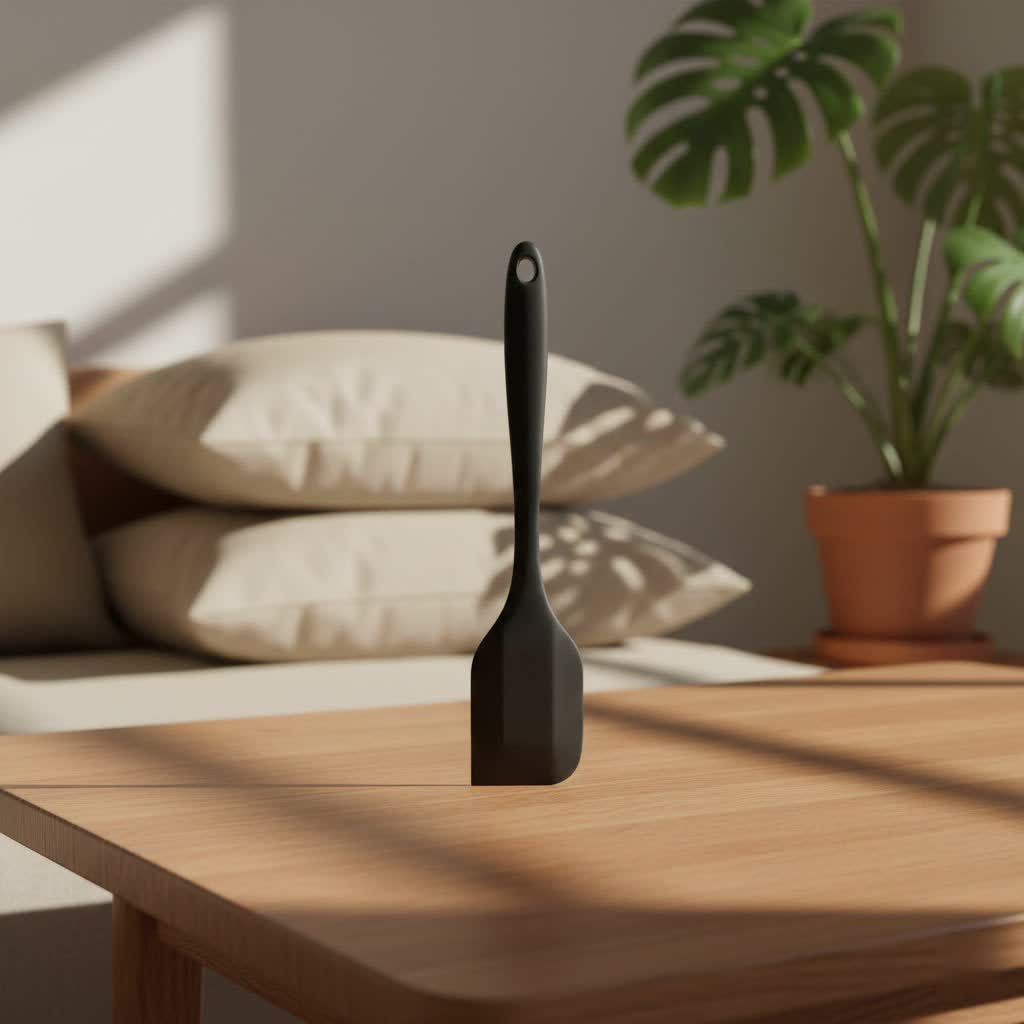
Why Non-Toxic Silicone Spatulas Are a Kitchen Essential
The rising popularity of silicone spatulas isn’t just a trend; it’s a testament to their superior performance and safety over traditional alternatives. Unlike plastic, wood, or metal spatulas, high-quality silicone offers a unique set of benefits that make it an invaluable addition to any kitchen arsenal.
Superior Safety: No More Chemical Leaching Concerns
|
Our Picks for the Best Silicone Spatula in 2026
As an Amazon Associate I earn from qualifying purchases.
|
||
| Num | Product | Action |
|---|---|---|
| 1 | Pack of 4 Silicone Cooking Utensils Set, Non Stick Solid Spatulas and Heat Resistant Slotted Spoons with Back Hooks, Ideal BPA Free Kitchen Utensils Set for Frying,Serving,Turning,Stirring(KHAKI) |

|
| 2 | Unicook 2 Pack Flexible Silicone Spatula, Turner, 600F Heat Resistant, Ideal for Flipping Eggs, Burgers, Crepes and More, Black |
|
| 3 | Amazon Basics Silicone Spatulas, 5-Piece Set, BPA-Free, Heat-Resistant and Dishwasher-Safe, Linen Gray |
|
| 4 | DI ORO Silicone Spatula - 600°F Heat-Resistant Rubber Kitchen Spatula for Baking, Scraping, & Mixing - BPA Free Nonstick Cookware Safe Flexible Utensil for Cooking - Seamless & Dishwasher Safe (Black) |
|
| 5 | NileHome Silicone Spatula Set, 6 Pieces Food Grade Kitchen Utensils with Silicone Brush Heat Resistant BPA-free Rubber Spatula for Scraping, Baking, Cooking, Mixing |
|
| 6 | Coukre Silicone Spatula Set of 5,High Temperature Resistant, Food Grade Silicone, Dishwasher Safe, for Baking, Cooking (Pure Colorful A) |
|
| 7 | 5 Pieces Silicone Spatula Set, Food Grade Rubber Spatula, Upgrade Strong Handle with Ergonomic Grip, Heat Resistant Up to 600°F for Nonstick Cookware, Cooking Candy Series |
|
| 8 | 5 Pieces Silicone Spatula Set, Food Grade Rubber Spatula, Upgrade Strong Handle with Ergonomic Grip, Heat Resistant Up to 600°F for Nonstick Cookware, Cooking |
|
| 9 | HOTEC Heat Resistant 600℉ Food Grade Silicone Rubber Spatula Set for Baking, Cooking, and Mixing Non Stick Dishwasher Safe BPA-Free Multicolor Set of 5 |
|
| 10 | Coukre 2 Pack Silicone Spatula Set, High Heat Resistant, BPA Free Kitchen Spatula, Solid & Slotted Turner for Non-Stick Pans, Sautéing, and Flipping (2, PureBlack) |
|
One of the most compelling reasons to choose a non-toxic silicone spatula is its inherent safety. High-quality silicone is a synthetic polymer derived from silicon (found in sand), oxygen, carbon, and hydrogen, making it highly stable and chemically inert. This means it’s far less likely to leach harmful chemicals, such as BPA, BPS, or phthalates, into your food, even when subjected to high cooking temperatures. Health Canada confirms that silicone rubber does not react with food or beverages and produces no hazardous fumes, providing peace of mind for every meal you prepare.
Exceptional Heat Resistance for Diverse Cooking Tasks
Silicone spatulas are renowned for their impressive heat resistance, typically enduring temperatures up to 428°F (220°C), with some premium models safely handling up to 600°F. This characteristic is crucial as it prevents the spatula from melting, deforming, or degrading when left in a hot pan or used for high-temperature cooking tasks like sautéing, frying, or baking. This resilience ensures your spatula maintains its integrity and continues to perform flawlessly, without any risk of chemical transfer from heat-damaged materials.
Gentle on Cookware and Non-Stick Surfaces
The soft, flexible nature of silicone makes it perfectly suited for use with all types of cookware, especially delicate non-stick and ceramic surfaces. Unlike metal utensils that can scratch and damage protective coatings, silicone glides smoothly, preserving your pots and pans for longer. This gentle interaction helps maintain the integrity of your cookware, preventing the release of potential chemicals from damaged non-stick layers into your food.
Unmatched Durability and Longevity
Investing in high-quality silicone spatulas means investing in tools that are built to last. Silicone is exceptionally durable, resistant to wear, tear, and corrosion, ensuring a long lifespan even with daily use. This longevity makes them a more sustainable choice, reducing the need for frequent replacements and contributing to less waste. While not biodegradable, silicone can often be recycled or remolded into other products, extending its lifecycle further.
Versatility in Every Culinary Endeavor
From delicate baking to robust cooking, a non-toxic silicone spatula is incredibly versatile. Its flexible yet sturdy design makes it ideal for a multitude of kitchen tasks: scraping down bowls, folding batters, stirring sauces, flipping pancakes, scrambling eggs, or spreading frosting. The variety of shapes and sizes available ensures there’s a silicone spatula perfectly suited for every culinary challenge.
Easy Cleaning and Maintenance
Silicone’s naturally non-stick surface makes cleaning a breeze. Food particles slide off effortlessly, whether you’re hand-washing with soap and warm water or tossing it in the dishwasher. Furthermore, good quality silicone is stain-resistant and does not absorb odors, meaning your spatula will look and smell fresh even after handling strong-flavored ingredients.
Understanding “Non-Toxic”: What to Look For in Silicone Spatulas
While silicone spatulas are generally considered safe, not all are created equal. To ensure you’re bringing truly non-toxic tools into your kitchen, it’s essential to understand the key indicators of quality and safety.
Food-Grade Silicone: The Foundation of Safety
The most crucial characteristic to look for is “100% Food-Grade Silicone.” This designation means the material has been rigorously tested and approved for safe contact with food. Food-grade silicone is pure, free from petroleum-based chemicals, and does not contain harmful fillers that could leach into your meals, even at high temperatures. Always prioritize products explicitly labeled as such.
FDA and LFGB Approved: Certifications for Peace of Mind
Beyond “food-grade,” certifications from regulatory bodies like the U.S. Food and Drug Administration (FDA) or Germany’s LFGB (Lebensmittel-, Bedarfsgegenstände- und Futtermittelgesetzbuch – Food, Consumer Goods and Feed Code) offer an extra layer of assurance. FDA approval, first granted for silicon dioxides in 1979, confirms the material’s safety for food contact. LFGB certification, often considered even stricter, ensures the silicone meets European safety standards for chemical inertness and freedom from harmful substances.
Platinum-Cured Silicone: The Gold Standard
For the purest and most durable silicone spatulas, seek out “platinum-cured” silicone. This curing process uses platinum as a catalyst, resulting in a purer, higher-quality material free from unwanted byproducts or fillers. Platinum-cured silicone typically offers superior heat resistance, flexibility, and longevity compared to lower-grade or peroxide-cured silicones, making it the preferred choice for truly non-toxic kitchenware.
The “BPA-Free” Label: Marketing or Meaningful?
You’ll frequently see “BPA-free” labels on silicone products. While BPA (Bisphenol A) is a concerning chemical found in many plastics, it’s generally not used in the manufacturing of silicone. Therefore, while the label isn’t misleading, it’s largely a marketing tactic to reassure consumers based on broader plastic concerns rather than a specific risk with silicone itself. Focus more on “food-grade” and “platinum-cured” for genuine safety.
The “Pinch Test” for Quality
A simple home test can help you identify lower-quality silicone that might contain fillers. Pinch and twist a portion of the silicone spatula. If it turns white, it likely contains fillers. High-quality, pure silicone should retain its color without any whitening. While not a definitive scientific test, it can offer a quick indicator of potential quality issues.
Avoiding Fillers and Low-Quality Products
Cheaper silicone spatulas might be tempting, but they often contain hidden plastic or fillers that can compromise their non-toxic properties and durability. Always choose reputable brands and scrutinize product descriptions to ensure you’re getting 100% pure, food-grade silicone without undesirable additives.
Types of Non-Toxic Silicone Spatulas for Every Kitchen Need
The world of silicone spatulas is diverse, with designs tailored for specific culinary applications. Understanding the different types can help you assemble a comprehensive and efficient toolkit.
Classification by Shape and Function:
- Scrapers: Characterized by a flexible, often rounded or angled head, these are perfect for scraping every last bit of batter from bowls, jars, and blenders. Their soft edges conform to contours, minimizing waste.
- Turners/Flippers: With a flatter, wider head, often with a beveled edge, turners excel at flipping pancakes, eggs, burgers, and other delicate foods. Their flexibility allows them to slide easily under items without tearing them.
- Spoonulas: A hybrid design, combining the benefits of a spatula with the concavity of a spoon. Ideal for stirring, mixing, and serving, especially thicker sauces or batters.
- Mini Spatulas: Smaller versions of scrapers and turners, perfect for working with small quantities, reaching into narrow jars, or for children’s baking activities.
- Spatula Sets: Many brands offer sets that include a variety of shapes and sizes, providing a versatile collection for all your cooking and baking needs.
Handle Materials:
While the head of the spatula is silicone, the handle can vary:
- Full Silicone: One-piece construction means no seams for food to get trapped, making them highly hygienic and easy to clean.
- Silicone with Internal Core (e.g., Nylon, Stainless Steel): Offers added rigidity and strength, particularly useful for flipping heavier foods. Ensure the core is completely encased in silicone for full non-toxic benefits.
- Silicone with Wooden Handle: Provides a classic aesthetic and comfortable grip. Requires careful cleaning to prevent water damage to the wood.
- Silicone with Stainless Steel Handle: Offers excellent durability and a modern look.
How to Choose Your Perfect Non-Toxic Silicone Spatula
Selecting the right silicone spatula involves considering your cooking style, common tasks, and personal preferences.
- Consider Your Primary Use: Are you primarily baking, sautéing, or stirring? A flexible scraper is great for bowls, while a sturdier turner is better for flipping. If you do it all, a versatile set might be ideal.
- Check for Quality Certifications: Always prioritize “100% Food-Grade Silicone,” preferably with FDA or LFGB approval, and platinum-cured if possible.
- Evaluate Heat Resistance: Ensure the spatula’s listed heat resistance aligns with your cooking habits. Most quality spatulas can handle standard stovetop temperatures, but for oven use or very high-heat applications, opt for those with higher ratings (e.g., 500°F or 600°F).
- Ergonomics and Handle Design: A comfortable grip is essential for prolonged use. Consider handle material (silicone, wood, stainless steel), shape, and weight. One-piece silicone designs are often lauded for their hygiene and seamless construction.
- One-Piece vs. Two-Piece Construction: Spatulas where the head and handle are a single, seamless piece prevent food and bacteria from getting trapped in crevices, making them more hygienic and easier to clean. Two-piece designs can be functional but require more attention during washing.
- Brand Reputation and Reviews: Researching reputable brands and reading user reviews can provide valuable insights into a product’s real-world performance and durability. Brands like OXO Good Grips, GIR (Get It Right), Di Oro Living, Material, and Tovolo are frequently praised for their high-quality silicone products.
Top Recommendations for Non-Toxic Silicone Spatulas
Several brands stand out for their commitment to quality, safety, and performance in the non-toxic silicone spatula market. While specific models may vary, these brands consistently receive high marks for features like heat resistance, durability, and user-friendly design.
- OXO Good Grips Silicone Spatulas: Known for their comfortable handles and effective scraping and turning capabilities, often featuring seamless silicone construction for easy cleaning.
- GIR (Get It Right) Premium Silicone Spatulas: Praised for their platinum-cured, pharmaceutical-grade silicone and robust design, often reinforced with internal cores for strength. They are independently tested to meet FDA guidelines and are free from BPA, BPS, heavy metals, and other harmful chemicals.
- Di Oro Living Silicone Spatulas: Highly recommended for scraping tasks due to their sturdy build and flexible heads that excel at cleaning bowls and jars.
- Material Soft-Edge Turner: This non-toxic silicone spatula is lauded for its ability to deftly flip delicate and hefty foods, being non-toxic, nonstick, and heat-resistant up to 450°F.
When considering a purchase, look for these brands and their offerings, paying attention to specific features like heat tolerance, flexibility, and overall construction that match your kitchen’s demands.
Care and Maintenance for Long-Lasting Silicone Spatulas
Proper care ensures your non-toxic silicone spatulas remain safe, effective, and beautiful for years to come.
- Regular Cleaning: Most silicone spatulas are dishwasher-safe, offering convenient cleaning. For hand-washing, use warm, soapy water and ensure all food residue is removed, particularly if your spatula has multiple parts.
- Removing Stains: While silicone is stain-resistant, strong pigments from foods like tomato sauce or turmeric can sometimes leave a faint tint. A baking soda paste or a brief soak in diluted vinegar can often help remove stubborn stains.
- Safe Storage: Store your spatulas in a utensil crock or drawer where they won’t be exposed to sharp objects that could cut or damage the silicone.
- Respect Heat Limits: While highly heat-resistant, always be mindful of the manufacturer’s specified maximum temperature. Prolonged exposure to temperatures exceeding this limit can degrade the silicone over time, even with high-quality products.
“A high-quality silicone spatula is more than just a tool; it’s a commitment to healthier cooking and a cleaner kitchen. Choosing wisely means enjoying culinary creations with peace of mind.”
Conclusion
The non-toxic silicone spatula stands as a testament to how intelligent design and material science can transform everyday kitchen tools into instruments of health and efficiency. By choosing high-quality, food-grade, and ideally platinum-cured silicone, you safeguard your family from harmful chemicals, protect your valuable cookware, and enhance your overall cooking experience. These durable, heat-resistant, and incredibly versatile utensils are a smart investment for any kitchen. Embrace the peace of mind that comes with cooking safely and smartly, one flip and stir at a time. What will you create next with your new, trusted kitchen companion?
Frequently Asked Questions
Are silicone spatulas truly safe to use at high temperatures?
Yes, high-quality, food-grade silicone spatulas are generally safe for use at high temperatures. They are specifically designed to be heat-resistant, often up to 428°F (220°C) and sometimes even higher, without melting, deforming, or leaching harmful chemicals into your food. Always check the manufacturer’s temperature ratings for specific product limits to ensure safe use.
What is the difference between food-grade silicone and regular silicone?
Food-grade silicone is 100% pure silicone that has undergone rigorous testing and certification to ensure it is free from toxic fillers, BPA, BPS, and other harmful chemicals, making it safe for contact with food. Regular or industrial-grade silicone may contain impurities or additives that are not safe for culinary use. Always look for the “food-grade” label to guarantee safety.
How can I tell if my silicone spatula is good quality and non-toxic?
To identify a good quality, non-toxic silicone spatula, look for labels indicating “100% Food-Grade Silicone,” “FDA Approved,” or “LFGB Certified.” Platinum-cured silicone is also a strong indicator of purity and higher quality. You can also perform a “pinch test”: if you pinch and twist the silicone and it shows white streaks, it likely contains fillers and is of lower quality.
Can silicone spatulas scratch non-stick pans?
No, one of the significant advantages of silicone spatulas is their soft and flexible material, which makes them perfectly safe for all types of cookware, including delicate non-stick and ceramic surfaces. They will not scratch or damage the coatings of your pans, helping to extend their lifespan and maintain their performance.
Is “BPA-free” an important label for silicone spatulas?
While “BPA-free” is a common marketing claim, it’s less critical for silicone spatulas than for plastic products. BPA is typically not used in the manufacturing of silicone. Focusing on “100% Food-Grade” and “platinum-cured” labels provides a more accurate assessment of a silicone spatula’s non-toxic qualities.
