As a seasoned kitchen technician with over a decade dedicated to understanding kitchen tools, especially spatulas, I’ve seen countless innovations. Among them, the Rubber Silicone Spatula stands out as an indispensable companion for every home cook. It’s more than just a tool; it’s a trusty partner that glides effortlessly through batter, scrapes bowls clean, and withstands the rigors of high-heat cooking. Let’s delve into why these versatile utensils have become a kitchen staple and how to choose, use, and care for them to elevate your culinary journey.
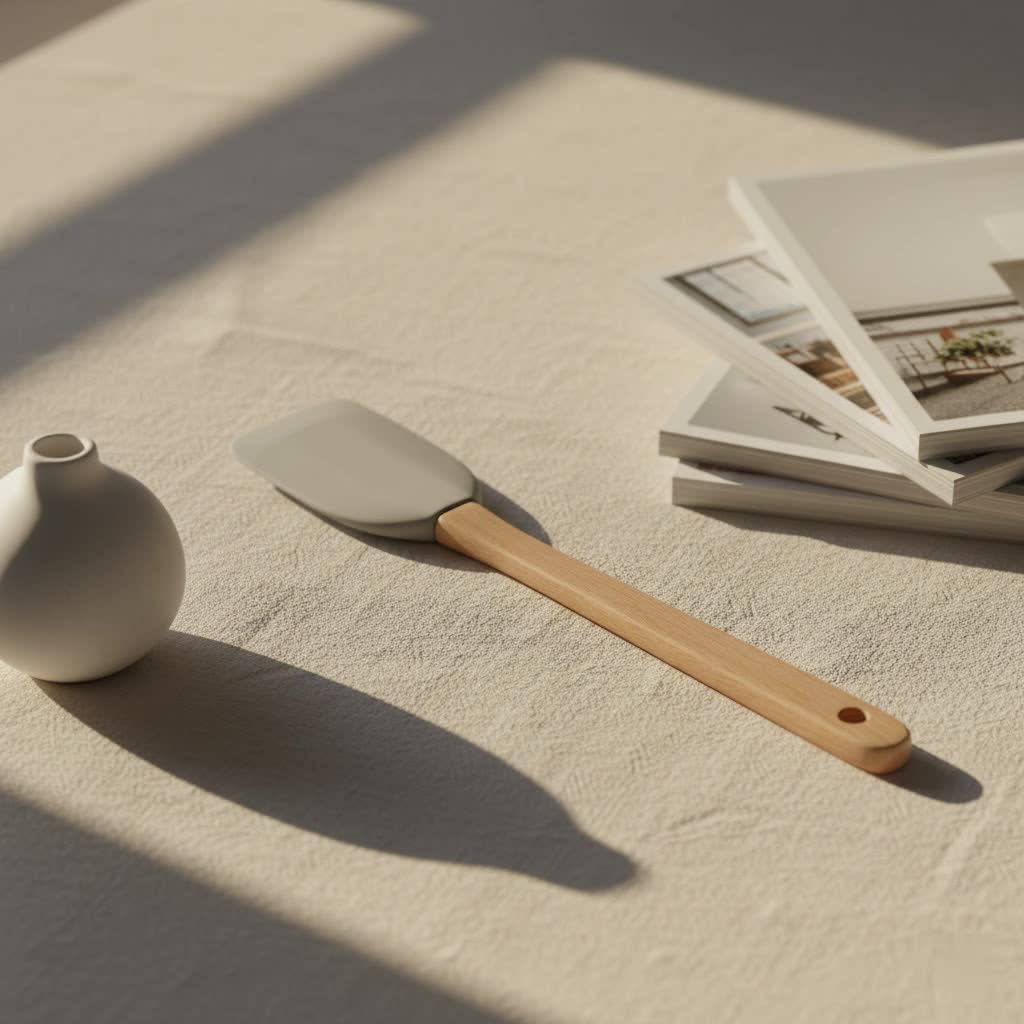
Why Silicone Spatulas Reign Supreme in Modern Kitchens
|
Our Picks for the Best Silicone Spatula in 2026
As an Amazon Associate I earn from qualifying purchases.
|
||
| Num | Product | Action |
|---|---|---|
| 1 | HOTEC Heat Resistant 600℉ Food Grade Silicone Rubber Spatula Set for Baking, Cooking, and Mixing Non Stick Dishwasher Safe BPA-Free Multicolor Set of 5 |

|
| 2 | 5 Pieces Silicone Spatula Set, Food Grade Rubber Spatula, Upgrade Strong Handle with Ergonomic Grip, Heat Resistant Up to 600°F for Nonstick Cookware, Cooking Candy Series |
|
| 3 | Amazon Basics Silicone Spatulas, 5-Piece Set, BPA-Free, Heat-Resistant and Dishwasher-Safe, Linen Gray |
|
| 4 | NileHome Silicone Spatula Set, 6 Pieces Food Grade Kitchen Utensils with Silicone Brush Heat Resistant BPA-free Rubber Spatula for Scraping, Baking, Cooking, Mixing |
|
| 5 | Coukre Silicone Spatula Set of 5,High Temperature Resistant, Food Grade Silicone, Dishwasher Safe, for Baking, Cooking (Pure Colorful A) |
|
| 6 | Unicook 2 Pack Flexible Silicone Spatula, Turner, 600F Heat Resistant, Ideal for Flipping Eggs, Burgers, Crepes and More, Black |
|
| 7 | DI ORO Silicone Spatula - 600°F Heat-Resistant Rubber Kitchen Spatula for Baking, Scraping, & Mixing - BPA Free Nonstick Cookware Safe Flexible Utensil for Cooking - Seamless & Dishwasher Safe (Black) |
|
| 8 | Coukre 2 Pack Silicone Spatula Set, High Heat Resistant, BPA Free Kitchen Spatula, Solid & Slotted Turner for Non-Stick Pans, Sautéing, and Flipping (2, PureBlack) |
|
| 9 | 5 Pieces Silicone Spatula Set, Food Grade Rubber Spatula, Upgrade Strong Handle with Ergonomic Grip, Heat Resistant Up to 600°F for Nonstick Cookware, Cooking |
|
| 10 | Pack of 4 Silicone Cooking Utensils Set, Non Stick Solid Spatulas and Heat Resistant Slotted Spoons with Back Hooks, Ideal BPA Free Kitchen Utensils Set for Frying,Serving,Turning,Stirring(KHAKI) |
|
The evolution from traditional rubber spatulas to modern silicone versions marks a significant leap in kitchen utility. While many still refer to them broadly as “rubber spatulas,” the material of choice today for high-performance kitchen tools is almost exclusively silicone. This synthetic polymer offers a host of superior advantages that make it a standout against older rubber, wood, metal, or plastic counterparts.
Silicone spatulas boast exceptional heat resistance, comfortably enduring temperatures up to 500°F (260°C) and often higher, making them perfect for stirring hot sauces, scrambling eggs, or sautéing vegetables without the risk of melting or deforming. Their durability is unmatched; they resist staining, odors, and warping, promising a long lifespan in your kitchen. The inherent flexibility allows them to conform to the curves of bowls and pans, ensuring every last drop of batter or sauce is efficiently scraped. Crucially, they are non-stick friendly, safeguarding your precious non-stick cookware from scratches and damage. Beyond performance, food-grade silicone is BPA-free and non-reactive, ensuring no harmful chemicals leach into your food and preserving the pure flavors of your culinary creations. This combination of attributes makes them incredibly versatile, excelling in everything from delicate baking tasks to rigorous stovetop cooking.
Unpacking the Different Types of Silicone Spatulas
Silicone spatulas come in a variety of designs, each optimized for specific kitchen tasks, transforming simple cooking into a more precise and enjoyable experience.
By Shape and Function:
- Flat Spatulas: These are the classic design, ideal for general mixing, scraping, and folding. Their broad, flat surface makes them perfect for incorporating ingredients evenly.
- Angled Spatulas: Featuring a slightly offset or angled head, these are superb for reaching into the corners of pots and pans, ensuring nothing sticks or burns. They are particularly useful for scraping down mixing bowls with precision.
- Spoonulas: A clever hybrid, the spoonula combines the scraping edge of a spatula with a shallow spoon-like head. This design is excellent for both mixing ingredients and scooping them out, minimizing the need for multiple utensils.
- Mini Spatulas: Smaller versions of their counterparts, mini spatulas are indispensable for tasks requiring finesse, such as scraping small jars, decorating cupcakes, or working with delicate quantities of ingredients.
- Turners/Flippers: These often have a wider, thinner blade and are designed for flipping pancakes, burgers, or eggs, providing ample surface area and sturdy support. Some feature slots to drain excess oil.
Core Construction:
Silicone spatulas generally fall into two main construction types:
- One-Piece Seamless: Molded from a single piece of silicone, these spatulas are incredibly hygienic. With no seams or crevices, there’s nowhere for food particles, moisture, or bacteria to hide, making them exceptionally easy to clean and preventing mildew buildup.
- Two-Piece (Head/Handle): These spatulas feature a silicone head detachable from a handle, often made of wood or stainless steel. While they might offer ergonomic benefits or a classic aesthetic, it’s crucial to separate the head from the handle for thorough cleaning and drying to prevent moisture and food residue from accumulating and causing mildew.
Key Design Variations:
Beyond basic shapes, you’ll find variations in blade stiffness, ranging from ultra-flexible for delicate folding to more rigid options, often reinforced with a nylon core, for handling thick doughs. Handle materials vary, with solid silicone, ergonomic plastic, durable wood, or sleek stainless steel options, each offering a different grip and aesthetic. The size and length are also important, with longer handles suitable for deep pots and grill work, and shorter ones for precise baking.
Silicone vs. Traditional Rubber Spatulas: A Head-to-Head Comparison
Understanding the nuances between silicone and traditional rubber spatulas is key to making informed choices for your kitchen. While the term “rubber spatula” is still widely used, most modern high-heat spatulas are made from silicone, a superior material in many respects.
| Feature | Silicone Spatula | Traditional Rubber Spatula |
|---|---|---|
| Material | Synthetic polymer (silicon, oxygen, carbon) | Natural rubber or synthetic elastomers |
| Heat Resistance | Excellent (up to 500-600°F/260-315°C) | Limited (typically up to 428°F/220°C); prone to melting |
| Flexibility | Good; can be engineered for various stiffnesses | Very good; generally softer and more pliable |
| Durability | High; resists warping, staining, cracking | Moderate; can degrade, crack, or warp over time |
| Non-Stick Safe | Yes, absolutely | Yes |
| Hygiene | Non-porous, resists odors/stains, easy to clean | Can be porous, may absorb odors/stains, harder to sanitize fully |
| Food Safety | Generally food-grade, often BPA-free, non-reactive | Can leach flavors/chemicals at high heat, less consistently BPA-free |
| Recommended Uses | All-purpose: high-heat cooking, baking, mixing, scraping | Delicate folding, cold mixing, scraping bowls (avoid high heat) |
| Cost | Typically moderate to high | Generally more affordable |
While traditional rubber spatulas offer a slightly softer touch, ideal for folding delicate ingredients or gently scraping bowls, their limitations in high-heat applications and long-term durability make silicone the clear winner for versatile kitchen use. Modern silicone technology has also allowed for varying levels of flexibility, mimicking the best qualities of rubber while far surpassing its heat tolerance and longevity. When you pick up a “rubber spatula” today, it’s most likely a high-quality silicone one, offering you the best of both worlds.
Your Essential Guide to Choosing the Perfect Silicone Spatula
Selecting the ideal silicone spatula goes beyond aesthetics; it’s about finding a tool that performs reliably and safely for years. Based on extensive testing and experience, here’s what truly matters:
- Material Quality: Food-Grade, BPA-Free: Always prioritize spatulas made from 100% food-grade silicone. This ensures they are safe for food contact and won’t leach harmful chemicals. Look for labels explicitly stating “BPA-free” for added peace of mind, confirming the absence of bisphenol A, an industrial chemical found in some plastics.
- Heat Tolerance: Understanding Temperature Ratings: A high heat resistance is a cornerstone of silicone spatulas. Most quality spatulas will withstand temperatures up to 500°F (260°C), making them suitable for most stovetop and baking tasks. Verify the manufacturer’s specific temperature rating, especially if you engage in high-temperature cooking like deep frying or caramelizing.
- Flexibility and Rigidity Balance: Matching to Your Cooking Style: The perfect spatula strikes a balance between flexibility for efficient scraping and sufficient rigidity for handling thicker batters or incorporating heavy ingredients. A head that is too floppy will struggle with dense dough, while one that is too stiff won’t scrape curved surfaces effectively. Many premium spatulas feature a strong nylon core within the silicone head, offering excellent rigidity where needed, with flexible edges for thorough scraping.
- Ergonomics and Design: Handle Comfort and Seamless Construction: A comfortable handle is vital for prolonged use. Look for handles that fit well in your hand, offering a secure grip even when wet or greasy. One-piece, seamless silicone designs are highly recommended for hygiene, as they eliminate crevices where food and bacteria can accumulate. If opting for a two-piece design (e.g., with a wooden handle), ensure the head can be easily detached for thorough cleaning and drying to prevent mildew.
- Size and Shape for Specific Tasks: Tailoring to Your Needs: Consider your primary uses. A wider, more rigid spatula is excellent for mixing heavy doughs, while a narrower, more flexible one excels at scraping small jars or delicate folding. An angled head is invaluable for reaching into bowl corners, and a spoonula provides extra utility for scooping. Many home cooks benefit from a set that includes various sizes and shapes to cover all culinary bases.
- Brand Reputation and Value: While price isn’t always indicative of quality, investing in reputable brands often ensures better material quality, craftsmanship, and performance. Read reviews and consider the overall value—a durable, versatile spatula that lasts for years is a better investment than a cheaper alternative that quickly degrades.
Top 5 Rubber Silicone Spatulas: Expert Picks and User Favorites
Through years of testing and evaluating kitchen tools, certain silicone spatulas consistently rise to the top for their performance, durability, and thoughtful design. While specific models may vary, here are examples of types and features commonly praised, drawing from widely recognized and respected options in the market.
- The All-Purpose Workhorse (e.g., OXO Good Grips Silicone Everyday Spatula): These spatulas are celebrated for their balanced design, offering a medium flexibility that handles everything from delicate egg scrambling to mixing medium-thick batters. They typically feature a comfortable, non-slip handle and a tapered, beveled edge that excels at scraping bowls clean. Their seamless construction usually makes them a breeze to clean.
- The Heavy-Duty Mixer (e.g., Tovolo Flex-Core All Silicone Spatula Turner): When dealing with thick cookie doughs or stiff batters, a spatula with more rigidity is essential. These models often incorporate a nylon core for enhanced strength, allowing you to power through dense mixtures without the head flopping. Despite their robustness, the silicone edges remain flexible enough for effective bowl scraping.
- The Precision Scraper (e.g., GIR Premium Silicone Spatula): Known for their exceptional design and attention to detail, spatulas in this category are often praised for their specific head shapes that effortlessly get into the nooks and crannies of any container. Their seamless, unibody construction makes them incredibly hygienic and durable. They offer a refined balance of flexibility and sturdiness, making them ideal for both scraping and delicate work.
- The Versatile Set (e.g., U-Taste Silicone Spatula Set): For those looking to outfit their kitchen comprehensively, high-quality sets often provide a range of shapes and sizes—from large spatulas and spoonulas to mini spatulas and jar scrapers. These sets are valued for their consistent heat resistance and durability across all pieces, offering specialized tools for every task, from stirring to baking and decorating.
- The High-Heat Specialist (e.g., Rubbermaid Commercial Products High Heat Silicone Spatula): While many silicone spatulas offer good heat resistance, some are specifically designed for the most demanding high-temperature tasks. These spatulas boast exceptional heat tolerance, often exceeding 500°F, making them ideal for professional kitchens or home cooks who frequently work with very hot pans, such as caramelizing sugar or stirring deeply simmering sauces. Their robust construction ensures they remain stable and effective even under extreme heat.
When considering a purchase, remember to check the specific heat ratings, construction (one-piece is often preferred for hygiene), and ergonomic reviews to find the perfect match for your culinary needs.
Extend the Life of Your Silicone Spatulas: Usage and Care Tips
Proper care is paramount to ensure your silicone spatulas remain reliable tools in your kitchen for years to come. With minimal effort, you can maintain their performance and pristine condition.
Proper Cleaning for Longevity:
Most silicone spatulas are wonderfully dishwasher-safe, making daily cleanup effortless. For handwashing, a simple combination of warm water and mild dish soap with a non-abrasive sponge is usually sufficient to remove food residues.
-
Tackling Stubborn Stains and Odors: Silicone, while resistant, can occasionally absorb strong odors or become discolored by certain foods (like tomato sauce or turmeric). For these tougher issues, several methods prove effective:
- Baking Soda and Vinegar Soak: For stubborn stains, create a paste with baking soda and a little water, apply it to the stain, and let it sit for a few minutes before scrubbing. Alternatively, soak your spatula in a solution of warm water, two tablespoons of baking soda, and a quarter cup of white vinegar. Let it soak for 15-30 minutes, then scrub and rinse thoroughly.
- Boiling Water Method: To remove stickiness or grease buildup, carefully place your silicone spatula into a pot of boiling water for 10-15 minutes. The high heat helps loosen residues. Afterward, wash with soap and water, then rinse.
- Rubbing Alcohol (for Grease Stains): For particularly greasy stains, a small amount of rubbing alcohol on a cloth can effectively cut through the grease. Always re-wash the spatula with soap and water after using alcohol to ensure no residue remains.
- Sunlight: For lingering odors or slight discoloration, natural sunlight can be a surprisingly effective deodorizer and whitener for silicone. Let your spatulas air dry in direct sunlight for a few hours.
-
Care for Two-Piece Spatulas: If your spatula has a removable silicone head and a wooden handle, it’s crucial to separate the head from the handle every time you wash it. This allows both parts to dry completely, preventing moisture from getting trapped and leading to mildew buildup on the wooden handle. Clean the wooden handle with soap and water, and allow it to air dry thoroughly before reassembling.
Safe Handling: High Heat Considerations:
While silicone spatulas are highly heat-resistant, it’s always wise to be mindful of their limits.
- Avoid Prolonged Direct Contact: While safe for stirring in hot pans, avoid leaving a silicone spatula resting directly in a very hot pan for extended periods, especially above its stated maximum temperature. This can eventually lead to degradation or even melting, though rare with quality products.
- Check Manufacturer Ratings: Always adhere to the manufacturer’s recommended maximum temperature. Most are designed to handle common cooking temperatures safely.
Storage:
Store your clean and dry silicone spatulas in a utensil crock, drawer, or hanging from a hook. Proper storage prevents damage and keeps them readily accessible for your next culinary adventure.
By following these simple usage and care guidelines, your rubber silicone spatulas will remain hygienic, effective, and a joy to use in your kitchen for many years.
Conclusion
The rubber silicone spatula has rightly earned its place as an essential kitchen tool, revolutionizing the way we cook and bake. Its unparalleled combination of high heat resistance, flexibility, durability, and non-stick compatibility makes it a superior choice over traditional materials. From scraping down a mixing bowl to stirring a simmering sauce, these versatile utensils offer efficiency and peace of mind, protecting your cookware and ensuring every last bit of your culinary creation is utilized.
When choosing your next silicone spatula, remember to prioritize food-grade, BPA-free materials, understand its heat tolerance, and consider a design that balances flexibility with sufficient rigidity for your diverse cooking needs. With proper care and cleaning, these innovative tools will serve you faithfully, making every kitchen task a little easier and a lot more enjoyable. What culinary masterpiece will you create with your trusty silicone spatula next?
Frequently Asked Questions
Are rubber silicone spatulas truly safe for high heat?
Yes, high-quality food-grade silicone spatulas are generally very safe for high-heat cooking. They can typically withstand temperatures ranging from 428°F to 600°F (220°C to 315°C) without melting, deforming, or leaching harmful chemicals. Always check the manufacturer’s specific temperature rating and avoid prolonged exposure to temperatures exceeding this limit to ensure safety and longevity.
How do I remove sticky residue or strong odors from my silicone spatula?
For sticky residue, try boiling your silicone spatula in water for 10-15 minutes, then washing with dish soap. For stubborn odors or stains, a soak in a solution of warm water, baking soda, and white vinegar can be highly effective. You can also apply a baking soda paste or even let them air dry in direct sunlight, which can help neutralize odors.
Can I use a silicone spatula with non-stick pans?
Absolutely! One of the significant advantages of silicone spatulas is their soft, flexible nature, which makes them perfectly safe for all types of non-stick cookware. Unlike metal utensils, silicone will not scratch, mar, or damage the delicate surfaces of your non-stick pots and pans, helping to preserve their lifespan and effectiveness.
What’s the difference between a silicone spatula and a spoonula?
A silicone spatula typically has a flat, broad blade designed primarily for scraping, mixing, and folding. A spoonula, on the other hand, is a hybrid tool that combines the flexible scraping edge of a spatula with a shallow, spoon-shaped head. This design makes a spoonula ideal for both mixing ingredients and scooping out sauces, batters, or viscous foods with ease.
How do I know if my silicone spatula is food-grade and BPA-free?
Look for explicit labeling on the product packaging that states “100% Food-Grade Silicone” and “BPA-Free.” Reputable brands will prominently display these certifications. Food-grade silicone ensures the material is safe for contact with food, while BPA-free confirms the absence of bisphenol A, a chemical sometimes found in other plastics.
