Do you often find yourself battling sticky eggs, scratching your favorite non-stick pans, or struggling to flip a perfect omelet without it tearing? You’re not alone. For home cooks and culinary enthusiasts alike, achieving flawless eggs can sometimes feel like a delicate dance. But what if there was a simple tool that could transform your egg-cooking experience, making it easier, safer, and more enjoyable? Enter the silicone egg spatula – a kitchen essential designed to tackle all your egg-related challenges with grace and efficiency. This comprehensive guide will explore why silicone spatulas are a game-changer for eggs, the different types available, how to choose the best one, and essential tips for usage and care, ensuring every breakfast is a masterpiece.
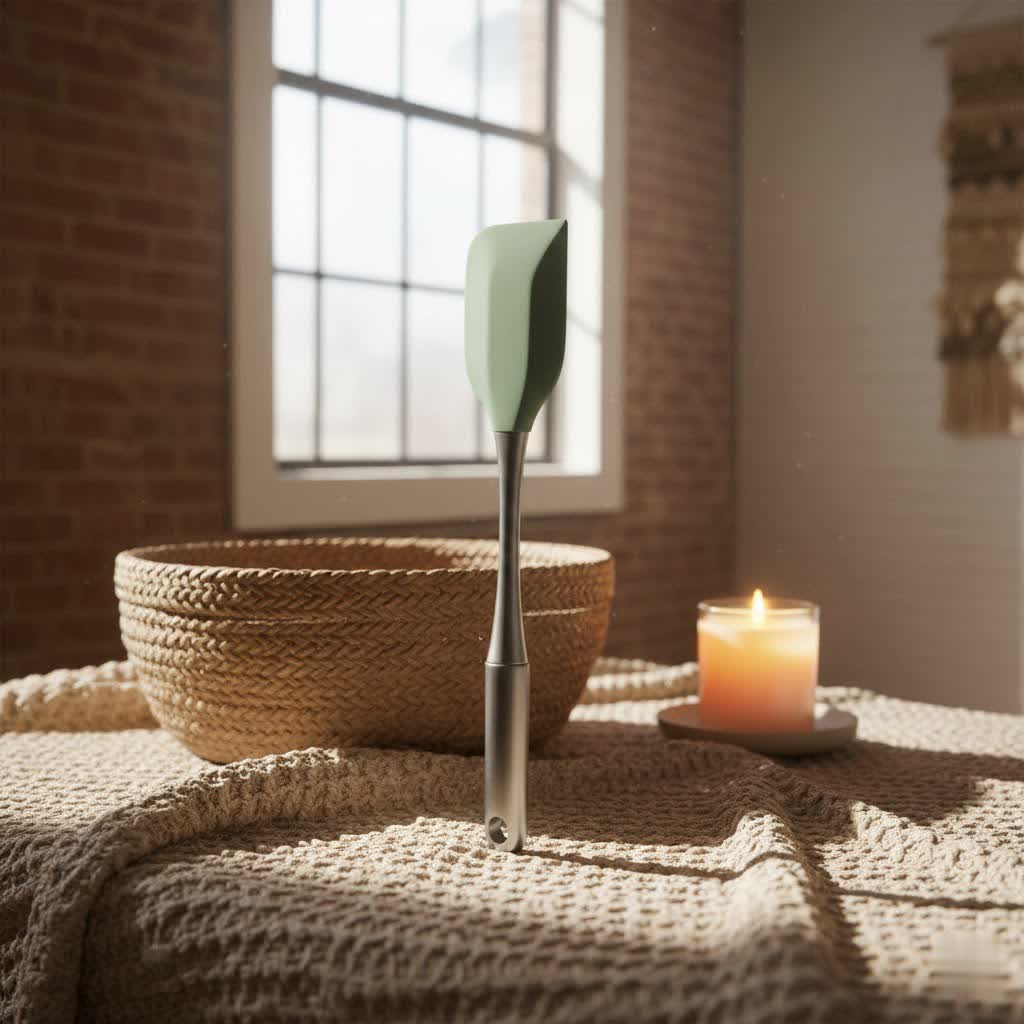
Why Silicone Spatulas Reign Supreme for Eggs
Silicone spatulas have become an indispensable tool in modern kitchens, particularly when it comes to preparing eggs. Their unique properties offer significant advantages over traditional spatulas made from wood, metal, or plastic, making them the superior choice for everything from delicate fried eggs to fluffy scrambled masterpieces.
One of the foremost benefits is their non-stick friendliness. Unlike metal spatulas that can easily scratch and damage the surfaces of your expensive non-stick cookware, silicone is soft and gentle, preserving your pans for years to come. This is crucial for eggs, which are notorious for sticking if not handled with care. Coupled with this is their impressive heat resistance, with most food-grade silicone spatulas safely withstanding temperatures up to 500-600°F (260-315°C). This means no more worrying about your spatula melting or warping when stirring hot scrambled eggs or flipping fried eggs in a sizzling pan.
The flexibility and versatility of silicone are also key. A good silicone egg spatula can effortlessly slide under delicate fried eggs or omelets without tearing, ensuring a perfect flip every time. For scrambled eggs, their soft, flexible edges are ideal for gently stirring and scraping the sides of the pan, helping to create light and fluffy curds without over-beating. Beyond eggs, these spatulas are excellent for sautéing vegetables, stirring sauces, and even scraping bowls clean, making them a true multi-tasker in your kitchen.
Furthermore, silicone spatulas are incredibly durable and long-lasting. They resist wear and tear, stains, and odors, maintaining their shape and functionality even after years of daily use. They are also safe and hygienic, typically made from food-grade, BPA-free silicone. Their non-porous surface prevents bacteria buildup, a common issue with wooden utensils, ensuring a cleaner cooking environment.
Decoding the Different Types of Silicone Egg Spatulas
While all silicone spatulas share core benefits, they come in various shapes and sizes, each optimized for specific culinary tasks, especially when it comes to eggs. Understanding these variations can help you select the ideal tool for your preferred egg preparations.
Flat spatulas, often with a wide head, are excellent for flipping sunny-side-up eggs, over-easy eggs, and omelets. Their broad surface provides ample support, preventing the egg from breaking or folding during the flip. Some are designed with thin, beveled edges that easily slide underneath delicate items without damaging them.
For scrambled eggs, a more pointed or tapered silicone spatula is often preferred. The flexible, angled head allows you to effectively scrape the sides and corners of the pan, ensuring all egg curds are evenly cooked and preventing sticking. Some versatile models combine these features, offering a wide, flexible head with a slightly pointed tip for both flipping and scraping.
Mini silicone spatulas are perfect for smaller pans, individual egg portions, or when precision is required. They are also handy for kids who are learning to cook, offering an easier-to-handle size. While less common for eggs, slotted silicone spatulas exist, designed to drain excess oil, though for most egg preparations, a solid spatula is generally more effective.
The distinction often lies in the balance between flexibility and sturdiness. While a very flexible tip is crucial for delicate lifting, a robust handle and a semi-rigid core (often stainless steel or nylon) provide the necessary leverage and strength for effective flipping and stirring without feeling flimsy.
Key Considerations for Choosing Your Perfect Silicone Egg Spatula
Selecting the right silicone egg spatula involves more than just picking the first one you see. A thoughtful choice can significantly enhance your cooking experience and the longevity of your kitchen tools.
First, prioritize material quality. Always look for spatulas made from 100% food-grade, BPA-free silicone. This ensures safety and peace of mind, especially when cooking at high temperatures. Many high-quality spatulas feature an internal core, often made of stainless steel or nylon, which provides essential stability and strength while maintaining the silicone head’s flexibility.
Next, consider the size and shape of the spatula head. For flipping whole eggs or omelets, a wider, flatter head with thin, beveled edges will be most effective. If you primarily cook scrambled eggs and need to scrape the pan thoroughly, a head with a more tapered or angled design that can reach into corners is beneficial. A versatile spatula often has a head width between 1.9 to 2.5 inches, offering a good balance for various tasks.
The balance between flexibility and durability is also critical. The spatula head should be flexible enough to conform to the curves of your pan and slide under delicate foods, yet robust enough to lift and turn without bending excessively. Test the spatula by gently flexing the head; it should offer some resistance but still be pliable.
Heat resistance is non-negotiable for an egg spatula. While most silicone is heat-resistant, specific temperature ratings can vary. Aim for spatulas rated to at least 500°F (260°C) to ensure they can safely handle common cooking temperatures without damage.
Finally, don’t overlook handle design and ease of cleaning. An ergonomic handle provides a comfortable and secure grip, reducing hand fatigue during longer cooking sessions. Many modern silicone spatulas are designed as a single piece, eliminating crevices where food can get trapped and bacteria can grow, making them exceptionally easy to clean. Look for spatulas that are dishwasher safe for maximum convenience in your busy kitchen.
Top 5 Silicone Spatulas for Flawless Breakfasts
While numerous excellent silicone spatulas are available, certain designs and features make some particularly well-suited for egg preparation. Here’s a look at the types of silicone spatulas that consistently deliver a flawless egg experience:
- The Wide, Thin-Edged Flipper: Ideal for fried eggs, pancakes, and omelets, this spatula boasts a broad, flat silicone head with a notably thin and flexible front edge. This design allows it to effortlessly slide under delicate foods without tearing or breaking them, providing full support during the flip.
- The Versatile Scraper & Stirrer: Characterized by a slightly tapered or angled head and a medium-firm flexibility, this type excels at both scrambling eggs and scraping down the sides of pans. Its edges are designed to hug the contours of cookware, ensuring no bit of egg is left behind, contributing to perfectly fluffy scrambled eggs.
- The Compact Precision Spatula: Smaller in size, often with a narrower head, this spatula is perfect for cooking single eggs, delicate mini omelets, or navigating smaller skillets. Its precision makes it a favorite for detailed work and for cooks who prefer a more nimble tool.
- The Sturdy Hybrid Turner: Featuring a silicone blade often reinforced with a robust internal core (like stainless steel), this spatula offers the best of both worlds: the non-stick safety of silicone combined with the strength and stability for flipping heavier items or breaking up ground meats in addition to eggs. Its slightly beveled edge still allows for easy maneuvering under eggs.
- The All-Silicone Ergonomic Spatula: These spatulas are typically molded as a single, seamless piece of silicone, making them incredibly hygienic and easy to clean. Many feature ergonomic handles that provide a comfortable and secure grip. Their flexibility is well-balanced, making them suitable for scrambling, folding, and flipping various egg dishes while being gentle on all cookware.
When choosing, consider your primary egg-cooking needs. Do you mostly fry, scramble, or make omelets? The ideal spatula will align perfectly with your culinary habits.
Mastering Your Silicone Egg Spatula: Usage & Care Tips
To ensure your silicone egg spatula remains a trusted companion in your kitchen for years to come, proper usage and diligent care are essential. These simple practices will help maintain its performance, hygiene, and longevity.
Usage Tips:
- Gentle on Pans: Always remember that silicone is designed to be gentle on non-stick surfaces. Avoid using excessive force or sharp scraping motions that could still damage delicate pan coatings, even with a silicone tool.
- Heat Awareness: While silicone is highly heat-resistant, it’s wise to avoid leaving your spatula resting in a hot pan for extended periods, especially if the handle contains other materials. Prolonged, direct exposure to very high heat can potentially compromise its integrity over time.
- Optimal for Eggs: For scrambled eggs, use the flexible edge to gently move the eggs around the pan, preventing them from sticking and creating soft curds. For fried or over-easy eggs, slide the thin edge slowly and deliberately under the yolk to ensure a clean lift and flip, minimizing the risk of breaking.
Care and Cleaning:
- Immediate Cleaning: The best practice for any kitchen utensil is to clean it immediately after use. Silicone’s non-stick properties mean food residue usually wipes off easily.
- Dishwasher Safe: Most modern silicone egg spatulas are dishwasher safe. For convenience, simply place them on the top rack of your dishwasher.
- Hand Washing: If hand washing, use warm, soapy water and a soft sponge or brush. Silicone’s non-porous nature makes it resistant to stains and odors, but a thorough wash is always recommended.
- Drying: Allow your spatulas to air dry completely or wipe them with a clean cloth before storing to prevent water spots or, in rare cases, mildew if stored in a damp environment.
- Storage: Store your silicone spatulas in a utensil crock, a drawer, or hang them on a hook to keep them organized and easily accessible. Avoid storing them near sharp metal objects that could potentially cut or nick the silicone.
By following these simple usage and care guidelines, your silicone egg spatula will continue to provide excellent performance, helping you create perfect eggs with ease every time.
Conclusion
The journey to perfect eggs in the kitchen is made significantly smoother with the right tools, and the silicone egg spatula undoubtedly stands out as a champion. Its remarkable non-stick friendliness, impressive heat resistance, flexible yet durable construction, and hygienic properties make it an indispensable asset for any home cook. From effortlessly flipping delicate fried eggs to gently scrambling curds to perfection, a high-quality silicone spatula protects your cookware while elevating your culinary results. By considering material, shape, flexibility, and ease of cleaning, you can confidently choose a spatula that meets your specific needs and culinary ambitions. Investing in this versatile tool means saying goodbye to broken yolks and scratched pans, and hello to delicious, perfectly cooked eggs every time. What kind of egg creation will you master next with your new favorite silicone companion?
Frequently Asked Questions
Is a silicone egg spatula safe for high-heat cooking?
|
Our Picks for the Best Silicone Spatula in 2026
As an Amazon Associate I earn from qualifying purchases.
|
||
| Num | Product | Action |
|---|---|---|
| 1 | Pack of 4 Silicone Cooking Utensils Set, Non Stick Solid Spatulas and Heat Resistant Slotted Spoons with Back Hooks, Ideal BPA Free Kitchen Utensils Set for Frying,Serving,Turning,Stirring(KHAKI) |

|
| 2 | DI ORO Silicone Spatula - 600°F Heat-Resistant Rubber Kitchen Spatula for Baking, Scraping, & Mixing - BPA Free Nonstick Cookware Safe Flexible Utensil for Cooking - Seamless & Dishwasher Safe (Black) |
|
| 3 | Amazon Basics Silicone Spatulas, 5-Piece Set, BPA-Free, Heat-Resistant and Dishwasher-Safe, Linen Gray |
|
| 4 | HOTEC Heat Resistant 600℉ Food Grade Silicone Rubber Spatula Set for Baking, Cooking, and Mixing Non Stick Dishwasher Safe BPA-Free Multicolor Set of 5 |
|
| 5 | NileHome Silicone Spatula Set, 6 Pieces Food Grade Kitchen Utensils with Silicone Brush Heat Resistant BPA-free Rubber Spatula for Scraping, Baking, Cooking, Mixing |
|
| 6 | 5 Pieces Silicone Spatula Set, Food Grade Rubber Spatula, Upgrade Strong Handle with Ergonomic Grip, Heat Resistant Up to 600°F for Nonstick Cookware, Cooking Candy Series |
|
| 7 | Unicook 2 Pack Flexible Silicone Spatula, Turner, 600F Heat Resistant, Ideal for Flipping Eggs, Burgers, Crepes and More, Black |
|
| 8 | Coukre Silicone Spatula Set of 5,High Temperature Resistant, Food Grade Silicone, Dishwasher Safe, for Baking, Cooking (Pure Colorful A) |
|
| 9 | Coukre 2 Pack Silicone Spatula Set, High Heat Resistant, BPA Free Kitchen Spatula, Solid & Slotted Turner for Non-Stick Pans, Sautéing, and Flipping (2, PureBlack) |
|
| 10 | 5 Pieces Silicone Spatula Set, Food Grade Rubber Spatula, Upgrade Strong Handle with Ergonomic Grip, Heat Resistant Up to 600°F for Nonstick Cookware, Cooking |
|
Yes, absolutely! Silicone egg spatulas are renowned for their exceptional heat resistance. Most high-quality models are designed to safely withstand temperatures ranging from 400°F up to 600°F (204°C to 315°C) without melting, warping, or leaching harmful chemicals into your food. This makes them perfectly safe for sautéing, flipping, and stirring in hot pans.
Will a silicone egg spatula scratch my non-stick pans?
No, one of the primary benefits of silicone spatulas is their gentleness on cookware. Unlike metal utensils that can easily scratch and damage non-stick coatings, silicone is a soft, flexible material that protects your pans, extending their lifespan and maintaining their non-stick properties.
How do I clean a silicone egg spatula?
Cleaning silicone spatulas is typically very easy. Most are dishwasher safe, allowing for convenient cleanup on the top rack. For hand washing, simply use warm water, dish soap, and a soft sponge. Their non-porous surface prevents food from sticking and makes them resistant to stains and odors, ensuring they stay hygienic.
Does silicone retain odors or flavors from food?
High-quality, food-grade silicone is inherently resistant to absorbing odors and flavors from food. Its non-porous nature means that, unlike some plastic or wooden utensils, it won’t hold onto the scent of garlic, onion, or strong spices, ensuring your spatula stays fresh for every use.
Are all silicone spatulas the same?
While they share common characteristics, not all silicone spatulas are the same. They vary in terms of material quality (food-grade vs. lower quality), heat resistance ratings, head shape and flexibility, handle design, and internal core construction (some have steel or nylon cores for added rigidity). Choosing a reputable brand and considering the specific tasks you’ll perform will help you find the best fit.
