Achieving that perfectly smooth, professional finish on your cakes and cupcakes can often feel like a delicate art, leaving many bakers wondering how to master the perfect spread without a single crumb in sight. The secret weapon in many pastry chefs’ arsenals is often a deceptively simple tool: the silicone icing spatula. Far from just another kitchen gadget, these versatile utensils are engineered to transform your decorating process, promising precision, ease, and a flawless sheen on every sweet creation. Let’s dive deep into the world of silicone icing spatulas, exploring why they are an indispensable companion for every baking enthusiast.
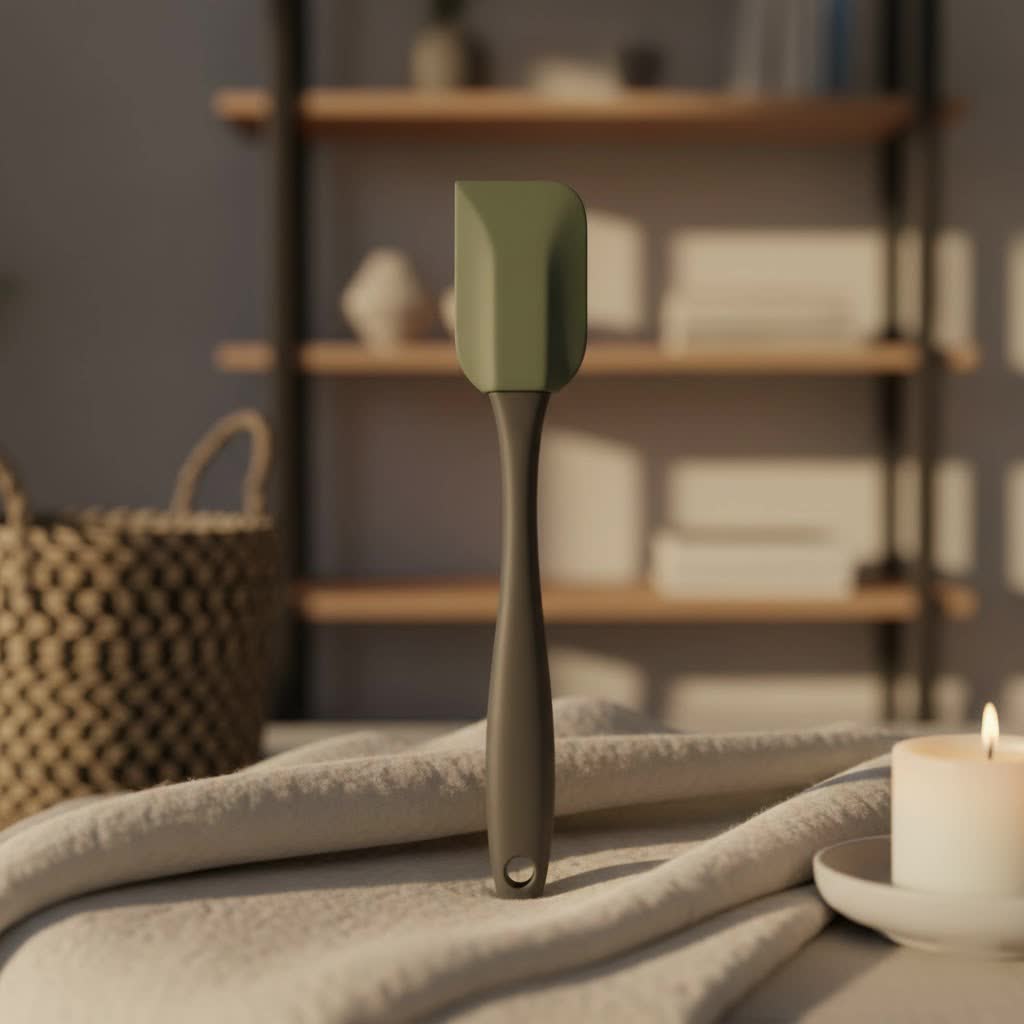
Why Silicone Icing Spatulas Are a Baker’s Best Friend
Silicone icing spatulas have rapidly become the preferred choice for bakers, outshining their counterparts made from wood, metal, and plastic due to a suite of superior qualities. Their design marries functionality with safety, making them ideal for both delicate decorating and robust mixing tasks.
One of their most lauded advantages is high heat resistance, typically tolerating temperatures ranging from 400°F to 600°F (200°C to 315°C). This allows them to seamlessly transition from mixing hot ingredients to spreading warm ganache without the risk of melting or warping, a common pitfall with plastic alternatives. Moreover, they are crafted from food-grade, BPA-free silicone, ensuring that no harmful chemicals leach into your delicious creations, even when exposed to high heat. This makes them a safe and non-toxic choice for your kitchen.
Beyond safety and heat tolerance, silicone spatulas offer exceptional durability and flexibility. Unlike rigid metal or prone-to-cracking wood, silicone can gently conform to the contours of any mixing bowl or cake, ensuring every last bit of batter or frosting is scraped clean, minimizing waste. This flexibility is also crucial for folding delicate ingredients like whipped egg whites or meringue, preventing overmixing. Their non-stick properties further enhance their appeal, making them gentle on non-stick bakeware and effortless to clean, often being dishwasher-safe.
Understanding the Different Types of Silicone Icing Spatulas
While the term “silicone spatula” might bring a single image to mind, these tools come in various shapes and sizes, each optimized for specific culinary tasks. When it comes to icing, the distinction between straight and offset spatulas is paramount.
- Straight Spatulas: These spatulas feature a flat, straight blade attached directly to the handle. They are excellent for leveling batter in pans, smoothing the tops of cakes, and general spreading where a consistent, even surface is desired. Their straightforward design offers direct control.
- Offset Spatulas: Characterized by a blade that is “offset” or angled downward from the handle, these spatulas provide crucial clearance for your knuckles when working on cakes. The angle allows you to keep your hand away from the cake surface, making it easier to spread icing smoothly across the top and sides without accidentally dragging your fingers through your perfectly applied frosting. They come in various lengths, with longer blades suitable for larger cakes and shorter ones for smaller treats like cupcakes or intricate detailing.
- Scraper Spatulas (often referred to as spoonulas): While not exclusively for icing, these general-purpose spatulas are invaluable in the preliminary stages of baking. Their flexible, often spoon-shaped heads are perfect for mixing batters, folding ingredients, and scraping every last trace from bowls. Some designs feature a straight edge on one side and a rounded edge on the other, offering versatility for both scraping and initial spreading.
- Mini Spatulas: For precision work, reaching into narrow jars, or decorating small pastries and cookies, mini silicone spatulas are indispensable. Their compact size allows for delicate movements and detailed application of frosting.
Many silicone icing spatulas also incorporate a metal core within the silicone head or handle. This internal reinforcement provides enhanced strength and rigidity, preventing the spatula from bending too much when dealing with thick, stiff icings like royal icing, ensuring superior control and efficiency.
Key Features to Look for When Buying
Choosing the right silicone icing spatula can significantly impact your baking experience. Consider these essential features to ensure you select a tool that perfectly meets your needs:
- Material Quality: Always prioritize spatulas made from high-quality, food-grade silicone that is clearly labeled BPA-free. This guarantees safety and durability, preventing premature degradation or the leaching of unwanted chemicals into your food.
- Heat Tolerance: While all silicone boasts heat resistance, the exact temperature rating can vary. Look for spatulas that can withstand at least 450°F (230°C), making them suitable for various baking tasks, including stirring hot sauces or working near heated surfaces.
- Flexibility and Core Strength: The ideal silicone icing spatula strikes a balance between flexibility and sturdiness. The head should be flexible enough to conform to bowl curves and spread icing smoothly, yet possess sufficient rigidity—often achieved with a metal core—to handle thick batters and stiff frostings without bending excessively. Test its resilience by pressing the head; it should give but not buckle.
- Size and Ergonomics: Spatulas come in different lengths and head sizes. A longer offset spatula (e.g., 10-12 inches) is excellent for large cakes, while a shorter one (6-8 inches) is perfect for cupcakes or intricate work. The handle should offer a comfortable, non-slip grip, fitting well in your hand to allow for precise control. A one-piece design (where the silicone head and handle are seamlessly molded) is highly recommended for hygiene and durability, as it eliminates crevices where food can get trapped and prevents the head from detaching.
- Ease of Cleaning: Most silicone spatulas are dishwasher-safe, making cleanup a breeze. However, for those with wooden handles or specific care instructions, hand-washing might be necessary. The non-porous nature of silicone resists stains and odors, but a quick rinse after use can prevent discoloration from strong ingredients like turmeric or tomato paste.
How to Master Icing with a Silicone Spatula
Using a silicone icing spatula effectively can transform your cake decorating from challenging to effortless. Here’s how to get that coveted smooth finish:
- Preparation is Key (The Crumb Coat): Always start with a chilled cake. Apply a very thin layer of icing all over your cake using the flat side of your silicone spatula. This “crumb coat” traps any loose crumbs, preventing them from mixing into your final layer of frosting. Chill the cake in the refrigerator for at least 15-30 minutes until the crumb coat is firm.
- The Main Layer: Once the crumb coat is set, place a generous dollop of your final icing on top of the cake. Using your offset silicone spatula, gently spread the icing across the top, working from the center outwards to create a smooth, even surface.
- Perfecting the Sides: For the sides, apply icing in sections. Hold your spatula at a slight angle against the cake. In a continuous, fluid motion, slowly rotate your turntable while moving the spatula across the side of the cake, spreading the frosting evenly. The flexibility of the silicone blade allows it to contour beautifully, while a sturdy core provides the necessary pressure.
- Achieving Sharp Edges and Textures: To create a sharp top edge, hold the spatula horizontally and lightly drag it from the outer edge of the cake inward. For textured finishes, experiment with different spatula movements – vertical lines, swirls, or ribbon effects – by pressing the spatula into the icing and dragging it along the cake’s surface as you rotate the turntable.
- Pro Tip for Smooth Application: Dip your silicone spatula in hot water and wipe it dry between applications. This slight warmth helps the icing glide more smoothly and prevents it from sticking to the spatula, ensuring a pristine finish. Remember to glide the spatula over the icing without touching the cake itself, which can pick up crumbs.
> “A silicone spatula is an indispensable tool in any kitchen, offering versatility from mixing to precise icing. Its flexible yet sturdy nature allows for unmatched control and a consistently smooth finish on every creation.”
Care and Maintenance for Longevity
To ensure your silicone icing spatulas remain in pristine condition and serve you for years, proper care is essential. Most silicone spatulas are dishwasher-safe, making cleanup straightforward. For stubborn stains or lingering odors (which can sometimes occur with highly pigmented or aromatic foods), a simple hand-wash with warm, soapy water is effective. For deeper cleaning, soaking the spatula in a mixture of baking soda and water for a few minutes can work wonders before scrubbing.
Always remember to dry your spatulas thoroughly before storing them to prevent any potential moisture buildup. Avoid using abrasive scrubbers or harsh chemicals, which can damage the silicone. With mindful use and care, your silicone icing spatulas will continue to be reliable allies in your baking adventures.
Conclusion
The silicone icing spatula is more than just a tool; it’s an extension of the baker’s hand, designed to bring precision, versatility, and ease to the art of cake decorating and beyond. From its impressive heat resistance and food-safe composition to its unparalleled flexibility and durability, these spatulas offer a comprehensive solution for achieving picture-perfect pastries. By understanding the different types and knowing what key features to look for, you can select the ideal silicone icing spatula to elevate your baking endeavors. Embrace this essential kitchen companion, and watch as your confections transform into masterpieces. What delightful creation will you frost next with your perfect silicone icing spatula?
Frequently Asked Questions
Is a silicone spatula safe to use with hot frosting or melted chocolate?
|
Our Picks for the Best Silicone Spatula in 2026
As an Amazon Associate I earn from qualifying purchases.
|
||
| Num | Product | Action |
|---|---|---|
| 1 | 5 Pieces Silicone Spatula Set, Food Grade Rubber Spatula, Upgrade Strong Handle with Ergonomic Grip, Heat Resistant Up to 600°F for Nonstick Cookware, Cooking |

|
| 2 | Amazon Basics Silicone Spatulas, 5-Piece Set, BPA-Free, Heat-Resistant and Dishwasher-Safe, Linen Gray |
|
| 3 | HOTEC Heat Resistant 600℉ Food Grade Silicone Rubber Spatula Set for Baking, Cooking, and Mixing Non Stick Dishwasher Safe BPA-Free Multicolor Set of 5 |
|
| 4 | Coukre Silicone Spatula Set of 5,High Temperature Resistant, Food Grade Silicone, Dishwasher Safe, for Baking, Cooking (Pure Colorful A) |
|
| 5 | DI ORO Silicone Spatula - 600°F Heat-Resistant Rubber Kitchen Spatula for Baking, Scraping, & Mixing - BPA Free Nonstick Cookware Safe Flexible Utensil for Cooking - Seamless & Dishwasher Safe (Black) |
|
| 6 | NileHome Silicone Spatula Set, 6 Pieces Food Grade Kitchen Utensils with Silicone Brush Heat Resistant BPA-free Rubber Spatula for Scraping, Baking, Cooking, Mixing |
|
| 7 | Pack of 4 Silicone Cooking Utensils Set, Non Stick Solid Spatulas and Heat Resistant Slotted Spoons with Back Hooks, Ideal BPA Free Kitchen Utensils Set for Frying,Serving,Turning,Stirring(KHAKI) |
|
| 8 | Unicook 2 Pack Flexible Silicone Spatula, Turner, 600F Heat Resistant, Ideal for Flipping Eggs, Burgers, Crepes and More, Black |
|
| 9 | Coukre 2 Pack Silicone Spatula Set, High Heat Resistant, BPA Free Kitchen Spatula, Solid & Slotted Turner for Non-Stick Pans, Sautéing, and Flipping (2, PureBlack) |
|
| 10 | 5 Pieces Silicone Spatula Set, Food Grade Rubber Spatula, Upgrade Strong Handle with Ergonomic Grip, Heat Resistant Up to 600°F for Nonstick Cookware, Cooking Candy Series |
|
Yes, high-quality food-grade silicone spatulas are inherently heat-resistant, typically capable of withstanding temperatures up to 450°F (230°C) or even 600°F (315°C). This makes them perfectly safe for stirring melted chocolate, spreading warm ganache, or working with hot sugar syrups without the risk of melting or degrading. Always check the specific heat resistance rating provided by the manufacturer.
Can silicone icing spatulas scratch non-stick bakeware?
No, one of the significant advantages of silicone spatulas is their soft, flexible nature, which makes them incredibly gentle on non-stick coatings. Unlike metal utensils that can scratch and damage your expensive non-stick pans and bakeware, silicone spatulas glide smoothly, protecting surfaces and extending the lifespan of your cookware.
How do I remove stubborn stains or odors from my silicone spatula?
For persistent stains or odors, a simple wash with warm, soapy water might not be enough. Try soaking your silicone spatula in a mixture of baking soda and water for a few minutes, or even overnight for tough cases. You can also rub half a lemon over the stained area before washing. Always rinse thoroughly afterward.
What’s the difference between a straight and an offset icing spatula?
A straight icing spatula has a flat blade that aligns directly with the handle, making it suitable for general spreading and leveling. An offset icing spatula, however, features a blade that is angled downward from the handle. This “offset” design provides clearance for your knuckles, making it much easier to smoothly spread frosting on the tops and sides of cakes without your hand touching the surface.
Is it necessary to buy multiple silicone spatulas for different tasks?
While a good all-purpose silicone spatula can handle many tasks, having a few different types can significantly enhance your baking efficiency and results. A larger offset spatula is ideal for frosting cakes, a smaller straight spatula for cupcakes or brownies, and a spoonula for mixing and scraping bowls. A mini spatula is also great for detailing or reaching into small jars.
