Are you tired of melted plastic utensils, scratched non-stick pans, or flimsy tools that can’t handle the heat? Many home cooks face daily frustrations in the kitchen, from scraping every last bit of batter out of a bowl to confidently flipping delicate pancakes. The right tools can transform your culinary experience, and among the most indispensable is the silicone spatula. Renowned for its versatility, heat resistance, and gentle touch on cookware, a high-quality silicone spatula is more than just an implement; it’s a reliable partner for every cooking adventure, making tasks easier and more enjoyable.
Why Silicone Spatulas Are Preferred in Modern Kitchens
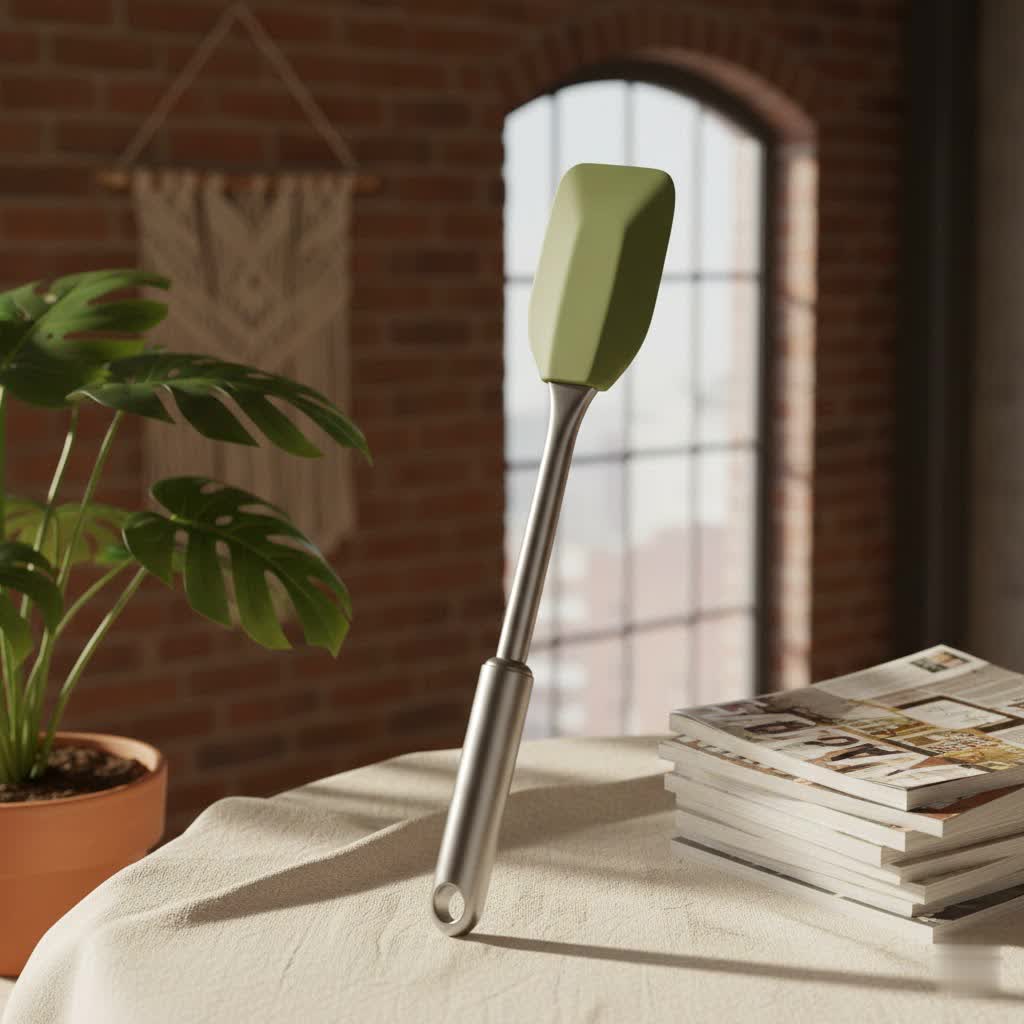
Silicone spatulas have become a kitchen staple, widely eclipsing their counterparts made from wood, metal, or traditional plastic. Their rise in popularity is attributed to a unique combination of advantages that cater to the demands of modern cooking and health-conscious households.
Primarily, their exceptional heat resistance is a game-changer. Most premium silicone spatulas can withstand temperatures ranging from 500°F (260°C) to an impressive 600°F (315°C) without melting, warping, or leaching harmful chemicals. This makes them ideal for high-heat tasks like sautéing, stirring thick sauces on the stove, or even scraping hot baking sheets. Unlike plastic or nylon, which can degrade and potentially contaminate food at high temperatures, silicone remains stable and safe.
Another significant benefit is their non-scratch nature, making them perfectly safe for all types of cookware, especially delicate non-stick surfaces. Metal spatulas, while durable, can easily scratch coatings, leading to damage and shortened pan life. Wooden spatulas, though gentle, can absorb odors, harbor bacteria, and dry out over time. Silicone’s soft yet sturdy material ensures your expensive non-stick pans remain pristine.
Furthermore, silicone spatulas offer an optimal balance of flexibility and durability. Their pliable heads allow them to conform to the curves of bowls and pots, ensuring every last bit of batter or sauce is scraped clean, minimizing waste. Simultaneously, their robust construction, often reinforced with a nylon or stainless steel core, provides the necessary sturdiness for lifting heavier foods like burgers or stir-frying vegetables without bending under pressure.
From a health perspective, food-grade silicone is inherently non-toxic and free from harmful chemicals such as BPA, PVC, and phthalates. Reputable brands ensure their products are FDA-approved or LFGB-certified, guaranteeing safety for food contact. This makes them a healthier alternative to many low-quality plastic utensils that can leach undesirable substances into your food.
Finally, their ease of cleaning and maintenance adds to their appeal. Silicone is non-porous, meaning it resists stains and odors, and most spatulas are dishwasher safe, simplifying cleanup after a busy cooking session. They dry quickly and do not retain moisture, which prevents bacterial growth that can be an issue with porous materials like wood.
Understanding the Different Types of Silicone Spatulas
The world of silicone spatulas is diverse, with each design tailored to specific culinary tasks. Knowing the various types can help you build a versatile collection that covers all your cooking and baking needs.
Classification by Shape and Function:
- Flat Spatulas (Turners/Flippers): These are the most common type, featuring a broad, flat head. They are excellent for flipping pancakes, eggs, burgers, or delicate fish fillets. Often, they have a slightly beveled edge to slide easily under food and may come slotted to drain excess oil. Their sturdy yet flexible design is perfect for lifting and turning on flat cooking surfaces like frying pans or griddles.
- Rounded/Curved Spatulas (Scrapers/Spoonulas): Characterized by a more rounded or pointed head with flexible edges, these spatulas are ideal for scraping bowls, mixing batters, and folding ingredients. A “spoonula” is a hybrid design, combining the shallow bowl of a spoon with the flexible edge of a spatula, making it perfect for scooping, stirring, and transferring ingredients from bowls to pans. They are excellent for ensuring zero waste by thoroughly cleaning out jars and containers.
- Thin/Offset Spatulas: With a thin, often angled blade, these spatulas offer precision. They are primarily used in baking for delicate tasks like spreading frosting evenly on cakes, lifting cookies off baking sheets, or working with intricate pastry designs. Their flexibility allows for delicate maneuvering without damaging the food.
- Slotted Spatulas: Designed with holes or slits in the head, these spatulas are perfect for frying, allowing excess oil or liquid to drain away when lifting food. They are commonly used for deep-frying, stirring vegetables in stir-fries, or serving items where drainage is desired.
|
Our Picks for the Best Silicone Spatula in 2026
As an Amazon Associate I earn from qualifying purchases.
|
||
| Num | Product | Action |
|---|---|---|
| 1 | 5 Pieces Silicone Spatula Set, Food Grade Rubber Spatula, Upgrade Strong Handle with Ergonomic Grip, Heat Resistant Up to 600°F for Nonstick Cookware, Cooking Candy Series |

|
| 2 | Coukre 2 Pack Silicone Spatula Set, High Heat Resistant, BPA Free Kitchen Spatula, Solid & Slotted Turner for Non-Stick Pans, Sautéing, and Flipping (2, PureBlack) |
|
| 3 | Pack of 4 Silicone Cooking Utensils Set, Non Stick Solid Spatulas and Heat Resistant Slotted Spoons with Back Hooks, Ideal BPA Free Kitchen Utensils Set for Frying,Serving,Turning,Stirring(KHAKI) |
|
| 4 | Amazon Basics Silicone Spatulas, 5-Piece Set, BPA-Free, Heat-Resistant and Dishwasher-Safe, Linen Gray |
|
| 5 | 5 Pieces Silicone Spatula Set, Food Grade Rubber Spatula, Upgrade Strong Handle with Ergonomic Grip, Heat Resistant Up to 600°F for Nonstick Cookware, Cooking |
|
| 6 | Unicook 2 Pack Flexible Silicone Spatula, Turner, 600F Heat Resistant, Ideal for Flipping Eggs, Burgers, Crepes and More, Black |
|
| 7 | Coukre Silicone Spatula Set of 5,High Temperature Resistant, Food Grade Silicone, Dishwasher Safe, for Baking, Cooking (Pure Colorful A) |
|
| 8 | HOTEC Heat Resistant 600℉ Food Grade Silicone Rubber Spatula Set for Baking, Cooking, and Mixing Non Stick Dishwasher Safe BPA-Free Multicolor Set of 5 |
|
| 9 | DI ORO Silicone Spatula - 600°F Heat-Resistant Rubber Kitchen Spatula for Baking, Scraping, & Mixing - BPA Free Nonstick Cookware Safe Flexible Utensil for Cooking - Seamless & Dishwasher Safe (Black) |
|
| 10 | NileHome Silicone Spatula Set, 6 Pieces Food Grade Kitchen Utensils with Silicone Brush Heat Resistant BPA-free Rubber Spatula for Scraping, Baking, Cooking, Mixing |
|
Classification by Size:
- Mini Spatulas: These smaller versions are perfect for precision tasks, reaching into small jars, mixing small batches of ingredients, or for children helping in the kitchen. Their compact size makes them ideal for detailed work where larger spatulas might be cumbersome.
- Small Spatulas: Versatile for daily home cooking, these are great for mixing bowls, sautéing in medium pans, and general culinary tasks. They often feature hanging rings for convenient storage.
- Large Spatulas: Essential for cooking larger batches, mixing doughs, or handling family-sized meals. These provide more power and surface area, making them suitable for commercial-grade cooking or baking.
- Long-Handle Spatulas: Designed for safety and comfort when cooking in deep pots, woks, or commercial-sized pans. The extended handle keeps your hands away from high heat and steam, preventing burns and providing better leverage for stirring and flipping.
Having a selection of these various types ensures you always have the right tool for the job, enhancing both efficiency and enjoyment in your kitchen.
Silicone vs. Other Materials: A Comparative Overview
When it comes to kitchen utensils, material choice is paramount, impacting performance, durability, and safety. Silicone spatulas generally outperform or offer unique advantages over spatulas made from plastic, nylon, wood, and metal in many common cooking scenarios.
| Characteristic | Silicone Spatula | Plastic Spatula | Nylon Spatula | Wood Spatula | Metal Spatula |
|---|---|---|---|---|---|
| Safety | Food-grade, BPA-free, non-toxic, FDA/LFGB approved | Can leach chemicals (BPA, PVC), not safe at high heat | Can release harmful toxins (VOCs), chemical leaching | Natural, but can harbor bacteria if not cleaned | Non-reactive (stainless steel), generally safe |
| Heat Resistance | High (up to 500-600°F/260-315°C), won’t melt/warp | Low (melts around 350°F/175°C), prone to melting | Moderate (up to 392°F), can warp/degrade over time | Moderate (can char/burn), not for direct flame | High (excellent for high-heat/grilling) |
| Non-Stick Safe | Yes, gentle on all cookware | Yes, but low heat limit | Yes, but can degrade with heat | Yes, gentle | No, can scratch/damage non-stick surfaces |
| Durability | Highly durable, scratch-resistant, long lifespan (3-5+ years) | Less durable, easily scratches, wears out quickly | Less durable, discolors, prone to scratches | Durable, but can crack, warp, absorb odors | Very durable, long-lasting |
| Flexibility | High, conforms to shapes, excellent for scraping | Low to moderate | Moderate | Rigid | Rigid (turners), some flexibility (fish spatulas) |
| Ease of Cleaning | Dishwasher safe, non-porous, resists odors/stains | Dishwasher safe, can stain | Dishwasher safe, can stain | Hand wash only, absorbs water, can retain odors | Dishwasher safe, can scratch other items |
This comparison highlights why silicone is often the superior choice for everyday cooking, especially when working with non-stick cookware and requiring versatility across various tasks. While wood and metal spatulas certainly have their niche uses (e.g., heavy-duty stirring with cast iron for metal, or gentle mixing for wood), silicone offers a balanced blend of features that make it a robust all-rounder.
How to Choose the Perfect Silicone Spatula
Selecting the ideal silicone spatula involves more than just picking a pretty color. Considering a few key factors will ensure you invest in a tool that performs well, lasts long, and enhances your cooking experience.
1. Material Quality: Food-Grade and Certified
Always prioritize spatulas made from 100% food-grade silicone. This designation ensures the material is safe for contact with food and won’t leach harmful chemicals. Look for certifications like BPA-free, FDA-approved, or LFGB-certified (a stricter European standard). These labels indicate that the silicone has passed rigorous safety tests. Avoid generic “rubber” spatulas or those with an unverified material composition, as they may contain fillers or low-quality plastics.
2. Heat Resistance: Check the Temperature Limits
While most silicone is highly heat-resistant, specific temperature ratings can vary. Premium silicone spatulas typically boast resistance up to 500°F (260°C) or even 600°F (315°C). Verify the product’s stated heat tolerance to ensure it meets your cooking needs, especially if you engage in high-heat sautéing, frying, or baking. Using a spatula beyond its recommended temperature can cause it to degrade or melt.
3. Size and Shape: Match to Your Purpose
Consider the primary tasks you’ll use the spatula for.
- For flipping eggs, pancakes, or burgers, a flat turner with a wide, slightly beveled blade is ideal.
- For mixing batters, scraping bowls, or folding delicate ingredients, a rounded scraper or spoonula with good flexibility is essential.
- For small jars or precision work, a mini spatula will be invaluable.
- If you frequently cook in deep pots or woks, a long-handle spatula provides safety and leverage.
A versatile kitchen often benefits from a set of different shapes and sizes to handle various cooking challenges.
4. Flexibility and Sturdiness: A Balanced Act
A good silicone spatula strikes a balance between flexibility and sturdiness. The head should be flexible enough to conform to the curves of a bowl for efficient scraping, yet firm enough to lift and turn foods without bending excessively. Many high-quality spatulas feature a rigid nylon or stainless steel core embedded within the silicone head and handle to provide optimal strength and prevent flimsy performance. Test the spatula’s head and handle for a comfortable, reliable feel.
5. Handle Design: Ergonomics and Seamless Construction
An ergonomic handle ensures a comfortable and secure grip, reducing hand fatigue during extended cooking sessions. Look for handles that fit well in your hand and offer good control. Seamless designs are highly recommended, where the silicone head and handle are molded as one piece. This eliminates crevices where food particles can get trapped and bacteria can grow, making the spatula more hygienic and easier to clean. Spatulas with removable heads or separate handles can be prone to collecting grime and breaking over time.
6. Ease of Cleaning: Dishwasher Safe
For convenience, choose spatulas that are dishwasher safe. Silicone’s non-porous nature generally makes it easy to hand wash as well, but the option for machine washing is a significant time-saver for busy cooks. Ensure the material won’t warp or discolor in the dishwasher.
7. Brand Reputation and Value
While budget options exist, investing in spatulas from reputable brands known for quality kitchenware often pays off in the long run. These brands typically use higher-grade silicone and superior construction methods, leading to more durable and safer products. Consider the overall value – a slightly higher initial investment in a well-made spatula can mean years of reliable use, saving you money on frequent replacements.
By carefully considering these factors, you can confidently select silicone spatulas that will become trusted companions in your kitchen, enhancing your cooking and baking prowess.
Top Qualities of Highly-Rated Silicone Spatulas
While specific product recommendations might change, certain qualities consistently define the best silicone spatulas on the market. These are the characteristics that professional chefs and avid home cooks value most, ensuring a tool that is a true asset in any kitchen.
Highly-rated silicone spatulas excel in durability and resilience. They are crafted from premium, high-grade silicone that resists tearing, cracking, and warping even after years of continuous use and exposure to high heat. Many feature a robust internal stainless steel or nylon core that extends from the handle through the head, providing exceptional strength and preventing the head from detaching or bending under pressure. This commercial-grade construction ensures they can withstand the rigors of daily cooking, from heavy stirring to lifting substantial food items.
Another hallmark is their superior heat tolerance. The best spatulas are engineered to endure extreme temperatures, often up to 600°F (315°C), without any risk of melting or degrading. This high-heat capability makes them incredibly versatile for all cooking methods, including deep frying, sautéing, and baking, offering peace of mind that no harmful chemicals will leach into your food.
Ergonomic design is also a key feature. Top-rated spatulas boast comfortable, non-slip handles that provide an excellent grip, reducing hand fatigue during prolonged use. The balance of the spatula feels natural in the hand, making it an intuitive extension of your arm, whether you’re vigorously mixing dough or delicately folding egg whites. Many preferred designs feature a seamless, unibody construction, eliminating gaps and crevices where food and bacteria can accumulate, thereby enhancing hygiene and simplifying cleaning.
The perfect balance of flexibility and rigidity is crucial. A highly-rated silicone spatula will have a head that is flexible enough to expertly scrape every curve of a bowl, ensuring zero waste, yet firm enough at the edge to slice through dough or lift heavy foods with confidence. This adaptability allows them to perform a wide array of tasks with precision and efficiency.
Finally, their unwavering safety and non-stick compatibility are non-negotiable. Made from 100% food-grade, BPA-free, and often LFGB-certified silicone, these spatulas are completely safe for all food contact. Their smooth, soft edges glide effortlessly over non-stick surfaces, protecting your valuable cookware from scratches and extending its lifespan. This gentle yet effective performance makes them the go-to choice for preserving the integrity of your pots and pans.
> “A quality silicone spatula isn’t just a tool; it’s an investment in efficiency and culinary enjoyment. Its versatility and resilience make it indispensable for any home cook looking to elevate their kitchen experience.”
Tips for Using and Maintaining Your Silicone Spatula
To ensure your silicone spatulas remain in excellent condition and continue to perform at their best for years, proper usage and maintenance are key.
Daily Cleaning and Maintenance
Hand Washing vs. Dishwasher Safety: Most high-quality silicone spatulas are dishwasher safe, offering convenient cleanup. If hand washing, a soft sponge and mild, chemical-free dish soap are usually sufficient. The non-porous surface of silicone prevents food particles from sticking stubbornly, making it easy to wipe clean. For seamless spatulas, washing is particularly effortless as there are no crevices for food to hide.
Removing Stains and Odors Naturally: While good quality silicone is stain and odor resistant, persistent exposure to strong spices like turmeric or prolonged contact with strong-smelling foods can occasionally lead to discoloration or a lingering scent. To remove stains, create a paste of baking soda and a small amount of water. Apply it to the affected area, let it sit for 15-30 minutes, then scrub gently and rinse thoroughly. For odors, the same baking soda paste can be effective. Ensure the spatula is completely dry before storage to prevent any moisture-related odors.
Proper Storage to Prevent Damage
After washing, always thoroughly dry your silicone spatulas before storing them. Hanging them by a built-in loop, if available, allows for air circulation and complete drying. Avoid storing damp spatulas in enclosed drawers, as this can lead to moisture buildup. Store them in a utensil crock or a drawer, ideally separated from sharp metal objects that could potentially nick or cut the silicone. Keep them away from direct, prolonged sunlight exposure, which can cause discoloration over time.
Usage Best Practices
Always adhere to the manufacturer’s recommended temperature limits. While silicone is highly heat-resistant, exceeding these limits can compromise the material over time. Avoid using your silicone spatula for tasks like cutting or directly scraping against very sharp knife blades, as this can damage the silicone head. Although durable, treating your spatulas with care will extend their lifespan.
When to Replace Your Spatulas
Even the most durable silicone spatulas won’t last forever. Watch for these warning signs that indicate it’s time for a replacement:
- Cracks, Tears, or Warping: Any visible damage to the silicone head or handle can harbor bacteria and compromise the spatula’s structural integrity.
- Melting or Degradation: If the spatula shows signs of melting, sticky residue, or significant discoloration from heat exposure, it’s a clear indicator that the material is breaking down and should be replaced immediately to avoid food contamination.
- Loss of Flexibility or Stiffness: If a flexible spatula becomes too stiff, or a sturdy spatula loses its rigidity and becomes flimsy, it will no longer perform effectively.
- Persistent Odors or Stains: Despite cleaning efforts, if a spatula retains strong odors or becomes permanently stained, it might be time for a fresh one.
Regularly inspecting your spatulas for these signs ensures you’re always using safe and effective tools in your kitchen.
Conclusion
The humble silicone spatula has undeniably earned its place as an indispensable tool in modern kitchens, revolutionizing the way we approach cooking and baking. From its impressive heat resistance and non-scratch properties to its hygienic, food-grade composition, it offers a distinct advantage over traditional utensils. Whether you’re skillfully scraping the last dollop of batter from a bowl, effortlessly flipping delicate pancakes, or stirring a simmering sauce, the right silicone spatula makes every task more efficient and enjoyable.
Choosing a quality silicone spatula means investing in durability, safety, and versatility, ensuring that your cooking adventures are always seamless and satisfying. By understanding the different types, knowing what to look for in terms of material and design, and following simple care guidelines, you empower yourself to make the best culinary choices. So, are you ready to upgrade your kitchen and experience the unmatched performance of a truly great silicone spatula?
Frequently Asked Questions
Are silicone spatulas safe to use at high temperatures?
Yes, high-quality silicone spatulas are generally very safe for use at high temperatures. Most premium food-grade silicone spatulas can withstand temperatures between 500°F (260°C) and 600°F (315°C) without melting, warping, or leaching harmful chemicals into your food. Always check the specific temperature rating provided by the manufacturer to ensure safe use.
What is the best type of silicone spatula for general cooking?
For general cooking, a versatile all-purpose silicone spatula that balances flexibility and sturdiness is ideal. This often means a medium-sized spatula with a moderately flat head for flipping and turning, and a flexible edge for scraping. Many home cooks also find a “spoonula” (a spoon-spatula hybrid) to be exceptionally useful for stirring, scooping, and scraping bowls.
Can silicone spatulas scratch non-stick pans?
No, one of the primary benefits of silicone spatulas is that they are gentle and completely safe for use with all types of non-stick cookware. Their soft, smooth material will not scratch or damage the delicate surfaces of your non-stick pots and pans, helping to prolong their lifespan.
How long do quality silicone spatulas typically last?
With proper care and maintenance, high-quality silicone spatulas are highly durable and can last for many years, often between 3 to 5 years or even longer. Factors like frequency of use, exposure to extreme temperatures beyond their rating, and abrasive cleaning can affect their lifespan. Replace them if you notice any signs of cracking, melting, or significant degradation.
How should I clean and store my silicone spatulas?
Most silicone spatulas are dishwasher safe for convenient cleaning. For hand washing, use warm water and mild dish soap. To remove stubborn stains or odors, a paste of baking soda and water can be applied. Always ensure your spatulas are thoroughly dry before storing them, ideally in a utensil crock or a drawer, away from direct sunlight, to prevent moisture buildup and prolong their life.
