Are you tired of scratched non-stick pans, flimsy plastic utensils, or wooden spoons that absorb odors? Imagine a kitchen tool that effortlessly handles high heat, protects your precious cookware, and cleans up in a flash. This isn’t a dream; it’s the reality of modern silicone spatulas and spoons. These versatile kitchen companions have revolutionized how we cook and bake, offering unparalleled performance and durability. This comprehensive guide will explore why silicone utensils are indispensable, help you choose the best ones, and provide tips for their care, ensuring they become your most trusted allies in the kitchen.
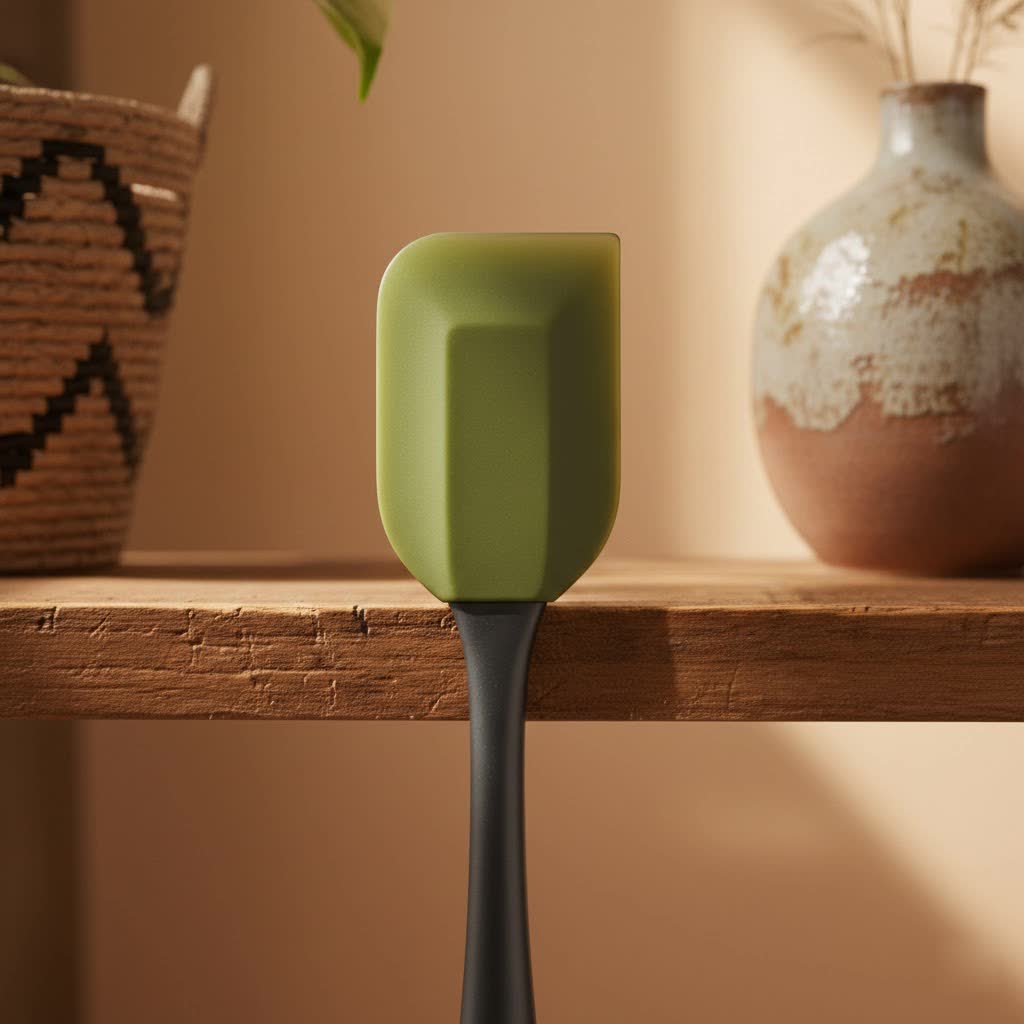
Why Silicone Spatulas and Spoons Are Kitchen Essentials
Silicone kitchen tools have rapidly become a favorite for home cooks and professional chefs alike, largely due to their remarkable properties that outperform traditional materials like wood, metal, and plastic.
Superiority Over Other Materials:
Unlike metal, which can scratch delicate non-stick coatings, or wood, which can harbor bacteria and absorb odors, silicone offers a gentle yet robust solution. Plastic utensils often melt or warp under high heat, posing safety concerns and limiting their utility. Silicone bridges these gaps, providing a non-reactive, flexible, and resilient option for all your culinary adventures.
Exceptional Heat Resistance:
One of the most significant advantages of silicone spatulas and spoons is their impressive heat resistance. Most high-quality food-grade silicone can withstand temperatures typically ranging from 400°F to 600°F (200°C to 315°C) without melting, warping, or leaching harmful chemicals into your food. This makes them ideal for stirring hot sauces, flipping pancakes on a sizzling griddle, or scraping down the sides of a hot pot.
Non-Scratch for Non-Stick Cookware:
Protecting your expensive non-stick pots and pans is crucial for their longevity. Silicone’s soft yet durable texture ensures that you can stir, scrape, and flip without fear of damaging surfaces, unlike harsh metal utensils. This preserves the integrity of your cookware and extends its lifespan.
Flexibility and Scraping Ability:
The inherent flexibility of silicone is a game-changer, especially for baking. Silicone spatulas excel at scraping every last bit of batter from mixing bowls, sauces from pans, or dough from a counter, minimizing waste and ensuring your ingredients are fully incorporated. This flexibility allows them to conform to the contours of any bowl or pan.
Durability and Longevity:
Silicone is a highly durable material designed to withstand rigorous daily use. Unlike plastic, which can crack, peel, or become brittle over time, silicone retains its shape and functionality for years. It resists wear and tear, making it a long-term investment for your kitchen.
Hygiene and Easy Cleaning:
Thanks to its non-porous surface, food-grade silicone is incredibly hygienic. It doesn’t absorb food odors or stains, even from highly pigmented ingredients like tomato sauce or turmeric. Cleaning is a breeze; most silicone utensils are dishwasher safe, and their non-stick properties mean food residue often rinses off with minimal effort.
Food-Grade Safety (BPA-Free):
When choosing silicone kitchen tools, opting for food-grade, BPA-free silicone is paramount. This ensures that the material is non-toxic, chemically stable, and won’t leach harmful substances into your food, even at high temperatures. Many silicone products also boast FDA approval, further cementing their safety for food contact.
Exploring the Versatility: Types of Silicone Spatulas and Spoons
The world of silicone kitchen tools offers a diverse range, each designed for specific tasks, though many prove incredibly versatile.
Silicone Spatulas
- Flat/Scraper Spatulas: These are the classic baking workhorses, perfect for folding delicate batters, scraping bowls clean, or spreading frosting evenly. Their flat, flexible heads are adept at getting into corners.
- Turner/Flipper Spatulas: With broader, often angled heads, these spatulas are designed for flipping pancakes, burgers, eggs, or delicate fish. Their thin, flexible edges make it easy to slide under food without tearing.
- Mini Spatulas: Smaller versions are invaluable for reaching into jars, mixing small quantities, or detailed decorating tasks.
|
Our Picks for the Best Silicone Spatula in 2026
As an Amazon Associate I earn from qualifying purchases.
|
||
| Num | Product | Action |
|---|---|---|
| 1 | DI ORO Silicone Spatula - 600°F Heat-Resistant Rubber Kitchen Spatula for Baking, Scraping, & Mixing - BPA Free Nonstick Cookware Safe Flexible Utensil for Cooking - Seamless & Dishwasher Safe (Black) |

|
| 2 | 5 Pieces Silicone Spatula Set, Food Grade Rubber Spatula, Upgrade Strong Handle with Ergonomic Grip, Heat Resistant Up to 600°F for Nonstick Cookware, Cooking |
|
| 3 | Coukre 2 Pack Silicone Spatula Set, High Heat Resistant, BPA Free Kitchen Spatula, Solid & Slotted Turner for Non-Stick Pans, Sautéing, and Flipping (2, PureBlack) |
|
| 4 | Unicook 2 Pack Flexible Silicone Spatula, Turner, 600F Heat Resistant, Ideal for Flipping Eggs, Burgers, Crepes and More, Black |
|
| 5 | Amazon Basics Silicone Spatulas, 5-Piece Set, BPA-Free, Heat-Resistant and Dishwasher-Safe, Linen Gray |
|
| 6 | Pack of 4 Silicone Cooking Utensils Set, Non Stick Solid Spatulas and Heat Resistant Slotted Spoons with Back Hooks, Ideal BPA Free Kitchen Utensils Set for Frying,Serving,Turning,Stirring(KHAKI) |
|
| 7 | HOTEC Heat Resistant 600℉ Food Grade Silicone Rubber Spatula Set for Baking, Cooking, and Mixing Non Stick Dishwasher Safe BPA-Free Multicolor Set of 5 |
|
| 8 | 5 Pieces Silicone Spatula Set, Food Grade Rubber Spatula, Upgrade Strong Handle with Ergonomic Grip, Heat Resistant Up to 600°F for Nonstick Cookware, Cooking Candy Series |
|
| 9 | NileHome Silicone Spatula Set, 6 Pieces Food Grade Kitchen Utensils with Silicone Brush Heat Resistant BPA-free Rubber Spatula for Scraping, Baking, Cooking, Mixing |
|
| 10 | Coukre Silicone Spatula Set of 5,High Temperature Resistant, Food Grade Silicone, Dishwasher Safe, for Baking, Cooking (Pure Colorful A) |
|
Silicone Spoons
- Serving Spoons: Designed with a deeper bowl, these are excellent for serving gravies, mashed potatoes, or pasta dishes. Their non-scratch nature makes them safe for all serving bowls.
- Stirring Spoons: Robust and often with a sturdy handle, silicone stirring spoons can handle dense ingredients, sauces, and soups, providing thorough mixing without scratching cookware.
The Hybrid “Spoonula”
A true innovation, the “spoonula” combines the best features of a spoon and a spatula. It typically has a shallow, spoon-like bowl with at least one flat, flexible edge. This hybrid tool is perfect for scooping, scraping, stirring, and even serving, effectively reducing kitchen clutter by performing multiple functions with a single utensil. It’s especially beloved by bakers for its ability to efficiently transfer batter from bowl to pan while simultaneously scraping the sides clean.
How to Choose Your Perfect Silicone Utensils
With so many options available, selecting the right silicone spatulas and spoons requires a thoughtful approach. Consider these factors to make an informed decision:
- Material Quality (Food-Grade, BPA-Free): Always look for labels indicating “food-grade silicone” and “BPA-free.” This guarantees the material is safe for contact with food and won’t release any harmful chemicals.
- Heat Resistance: Check the stated maximum temperature rating. While most are high-heat resistant, specific models may vary. Ensure it meets your typical cooking needs, especially if you engage in high-temperature cooking or baking.
- Size and Shape: Consider the tasks you perform most frequently. Do you need a large turner for flipping, a small spatula for delicate work, or a versatile spoonula for all-around use? A set with varying sizes and shapes can often be the most practical choice.
- Handle Design and Material: Ergonomics play a huge role in comfort and control. Look for handles that are comfortable to grip, even when wet. Some silicone utensils feature solid silicone construction, while others may have silicone heads with sturdy internal cores (like steel) or handles made of wood or hard plastic. Ensure handles are firm and provide good leverage. One-piece designs are often preferred as they prevent food and water from getting trapped where the head meets the handle, enhancing hygiene.
- Durability and Construction: A single-piece, seamless design is often more durable and hygienic, as there are no crevices for food or bacteria to hide. Reinforced handles or solid silicone construction contribute to overall longevity.
- Brand Reputation and Value: While budget is a factor, investing in reputable brands known for quality and customer satisfaction can save you money in the long run. Read reviews and compare features to find the best value for your investment.
Top Silicone Spatulas and Spoons for Every Kitchen
Finding the “best” often comes down to individual needs, but certain features consistently mark high-quality silicone utensils. Many kitchenware brands offer excellent silicone sets that cater to various cooking and baking demands. For instance, reputable brands like OXO Good Grips and GIR (Get It Right) are frequently lauded for their durable, ergonomic designs and high-performance food-grade silicone.
When building your collection, look for sets that include a good variety: perhaps a large turner, a flexible scraper spatula, a stirring spoon, and a versatile spoonula. For bakers, a set with mini spatulas and various scraping tools will be invaluable. Many sets come with heat resistance up to 500-550°F and are designed with comfortable, non-slip handles for ease of use. Consider sets with one-piece construction for superior hygiene and durability, ensuring no food gets trapped.
Tips for Using and Caring for Your Silicone Utensils
To maximize the lifespan and performance of your silicone spatulas and spoons, proper use and care are essential.
- Safe Use with High Heat: While silicone is highly heat-resistant, it’s crucial to respect the manufacturer’s stated temperature limits. Exposing silicone tools to temperatures beyond their maximum can cause them to degrade or potentially burn. Avoid leaving them unattended in extremely hot oil for prolonged periods.
- Cleaning: Most silicone utensils are wonderfully easy to clean and are typically dishwasher safe. For hand washing, warm soapy water is usually sufficient to remove any food residue. Their non-porous nature means they won’t absorb food particles or odors, simplifying the cleaning process.
- Storage: Store your silicone tools in a dry place. While they are stain-resistant, prolonged exposure to direct sunlight can potentially affect their material over a very long period. Consider utensil crocks or drawer organizers to keep them tidy and easily accessible.
- Avoiding Damage: Although durable, avoid cutting directly on silicone surfaces with sharp knives, as this can damage the material. Also, while silicone is flexible, excessive twisting or bending beyond its natural limits might stress the material over time.
“A quality silicone spatula is more than just a tool; it’s an extension of the chef’s hand, offering precision and protection in every culinary movement.” – Gordon Ramsay, Renowned Chef
Conclusion
Silicone spatulas and spoons have earned their esteemed place in the modern kitchen, offering a blend of flexibility, durability, heat resistance, and hygiene that traditional utensils simply can’t match. From protecting your prized non-stick cookware to effortlessly scraping every last drop of batter, these tools simplify countless cooking and baking tasks. By understanding their unique benefits and knowing how to choose and care for them, you can elevate your culinary experience and ensure your kitchen is equipped with the most reliable and versatile tools available. Ready to transform your cooking routine? Investing in high-quality silicone utensils is a decision you won’t regret.
Frequently Asked Questions
Are silicone spatulas safe to use at high temperatures?
Yes, food-grade silicone spatulas are specifically designed to be highly heat-resistant, typically withstanding temperatures up to 500-600°F (260-315°C). This makes them perfectly safe for stirring hot sauces, flipping items in hot pans, and other high-heat cooking tasks without melting or leaching chemicals. Always check the manufacturer’s specific temperature guidelines for your product.
Can silicone spatulas scratch non-stick pans?
No, one of the primary benefits of silicone spatulas and spoons is their soft yet durable material, which is gentle on delicate surfaces. They are designed not to scratch or damage non-stick coatings, making them an ideal choice for preserving the integrity and lifespan of your expensive non-stick cookware.
How do I clean silicone kitchen utensils?
Silicone kitchen utensils are remarkably easy to clean. Most are dishwasher safe, allowing for convenient and thorough cleaning. For hand washing, simply use warm soapy water and a sponge. Their non-porous and non-stick nature means food residue typically rinses off easily, and they resist absorbing odors or stains.
What is a “spoonula” and how is it different from a spatula or spoon?
A “spoonula” is a hybrid kitchen tool that combines the features of a spoon and a spatula. It typically has a shallow, spoon-like head with one or more flexible, flat edges, allowing it to efficiently scoop, stir, and scrape bowls and pans clean. This versatility makes it a highly efficient, multi-purpose tool that can often replace both a traditional spoon and a spatula in many cooking and baking tasks.
