Step into any modern kitchen, and you’ll quickly realize that the humble silicone spatula has become an indispensable utensil. Once a secondary tool, these versatile spatulas have risen to prominence, revolutionizing the way we cook and bake. If you’ve ever struggled with melted plastic spatulas, scratched non-stick pans, or inefficient scraping, then understanding what makes a truly high-quality silicone spatula is about to transform your culinary experience. This guide will walk you through everything you need to know, from their undeniable advantages to selecting the perfect one for your cooking needs.
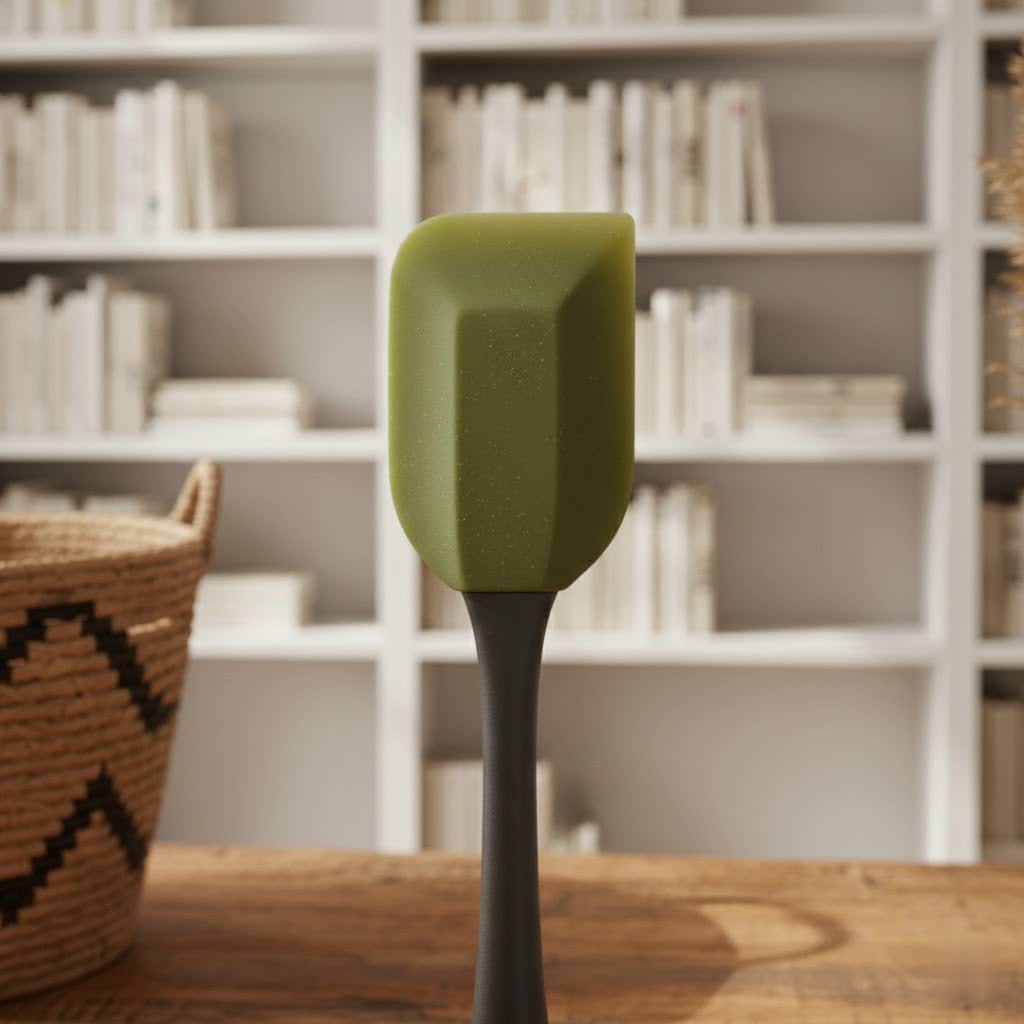
Why Silicone Spatulas Are a Kitchen Essential
Silicone spatulas offer a host of superior advantages that set them apart from their traditional counterparts made of wood, metal, or plastic, solidifying their status as a must-have in every kitchen.
- Exceptional Heat Resistance: Unlike plastic, which can melt at temperatures as low as 350°F (175°C), high-quality silicone spatulas can safely withstand extreme heat, typically up to 500°F (260°C), with many premium models reaching up to 600°F (315°C). This makes them perfect for high-heat cooking tasks like sautéing, frying, and baking without the risk of warping or leaching harmful chemicals into your food.
- Gentle on Cookware: One of their most celebrated features is their soft, flexible nature, which makes them completely safe for all types of cookware, especially non-stick and delicate surfaces. Say goodbye to scratches and scrapes caused by metal utensils, preserving the longevity of your valuable pots and pans.
- Durability and Longevity: Crafted from robust food-grade silicone, these spatulas are incredibly hard-wearing. They resist staining, odors, and corrosion, ensuring they maintain their pristine condition and functionality even after years of regular use. This durability means fewer replacements and more reliable performance.
- Flexibility and Efficiency: The unique flexibility of silicone allows spatulas to conform to the contours of bowls, jars, and pans, enabling you to scrape every last bit of batter, sauce, or dough with remarkable efficiency. This not only minimizes food waste but also ensures thorough mixing and seamless transfer.
- Food Safety and Hygiene: High-quality silicone is non-reactive, meaning it won’t interact with food or alter flavors. Opting for food-grade, BPA-free silicone ensures that no harmful chemicals leach into your meals, making them a healthier choice for your family. Furthermore, many silicone spatulas feature a seamless design, eliminating crevices where food particles and bacteria can accumulate, making them highly hygienic and easy to clean.
- Versatile Applications: From gently folding delicate meringues and mixing thick cookie dough to flipping pancakes and scraping down sticky jars, silicone spatulas excel in a wide array of culinary tasks. Their adaptability makes them an invaluable multi-tool for both cooking and baking.
Common Types of Silicone Spatulas
The world of silicone spatulas is diverse, with various shapes and designs tailored for specific kitchen tasks. Understanding these types can help you choose the best tools for your culinary adventures.
- Flat/Scraper Spatulas: These are the classic all-purpose spatulas, featuring a broad, flat head with often one straight edge and one curved edge. They are excellent for scraping bowls clean, folding batters, and mixing ingredients.
- Spoonulas: As the name suggests, a spoonula is a hybrid of a spoon and a spatula. It has a slightly concave head, making it ideal for scooping, stirring, and serving, in addition to scraping. Many chefs consider the spoonula a “million-dollar tool” for its efficiency in getting every last drop from containers.
- Turner Spatulas/Flippers: Designed with a thinner, often angled head, turners are perfect for flipping delicate foods like eggs, pancakes, or fish. Many feature a beveled edge to easily slide under items without tearing them.
- Mini Spatulas and Jar Scrapers: Smaller versions of standard spatulas, mini spatulas are perfect for intricate tasks like decorating cupcakes or reaching into small jars and narrow openings to retrieve sauces, spreads, or cosmetics.
- Solid Silicone vs. Core-Reinforced: While some spatulas are made entirely of silicone, many high-quality options feature an internal core made of stainless steel, nylon, or fiberglass. This core provides essential stiffness and strength, allowing the spatula to handle thick batters and heavy mixtures without bending excessively, while still retaining the flexibility of the silicone head.
Choosing the Perfect High-Quality Silicone Spatula
Selecting the right silicone spatula goes beyond mere aesthetics. A truly high-quality tool will possess specific characteristics that enhance its performance, durability, and safety in your kitchen.
- Material Quality: Food-Grade and BPA-Free: The foundation of a good silicone spatula is its material. Always look for products explicitly labeled “food-grade silicone” and “BPA-free.” Some premium brands may also specify LFGB certification, an even stricter European standard for food contact materials, ensuring no harmful chemicals migrate into your food.
- Heat Resistance: A crucial factor for safety and longevity. While many spatulas offer heat resistance up to 500°F (260°C), the best high-quality options can safely withstand temperatures up to 600°F (315°C). This higher tolerance provides a greater margin of safety, especially when stirring hot liquids or working near open flames.
- Balance of Flexibility and Durability: A superior silicone spatula strikes a perfect balance: flexible enough to scrape every curve of a bowl, yet sturdy enough with a reinforced internal core to tackle thick doughs and heavy stirring without buckling. Look for a head that has some give but doesn’t feel flimsy, and a handle that offers a firm, comfortable grip.
- Seamless Design and Ergonomics: For optimal hygiene and ease of cleaning, a seamless, one-piece silicone design is preferable. This eliminates crevices where food can get trapped, making it dishwasher safe and preventing bacterial growth. The handle should be comfortable to hold, offering a non-slip grip, even when wet or greasy. Some of the best designs feature thin, beveled edges on the spatula head, allowing for effortless scraping and getting under delicate foods.
- Size and Shape for Purpose: Consider your primary uses. A wider head is great for large mixing bowls, while a narrow, tapered head excels in tight spots like blenders or small jars. A set with varying sizes and shapes (like a flat scraper, a spoonula, and a mini spatula) often provides the most versatility for a home cook.
- Brand Reputation and Warranty: Investing in spatulas from reputable brands known for their kitchenware quality often guarantees better materials and construction. Brands like OXO, GIR, Tovolo, U-Taste, and Di Oro are frequently cited for their high-performing silicone spatulas. Some brands even offer impressive lifetime warranties, underscoring their confidence in product durability.
Top Picks: The Best High-Quality Silicone Spatulas
While a definitive “top 5” can vary based on specific needs, several brands consistently receive high praise for their robust construction, exceptional heat resistance, and thoughtful design. These spatulas embody the qualities of high-quality kitchen tools, making them favorites among home cooks and professionals alike.
- OXO Good Grips Silicone Spatulas: Widely acclaimed for their ergonomic designs and balanced performance, OXO spatulas often feature comfortable non-slip handles and tapered, beveled edges that are highly effective for scraping and mixing. Their silicone heads are typically heat-resistant up to 600°F and are dishwasher safe.
- GIR (Get It Right) Premium Silicone Spatulas: Known for their sleek, seamless, one-piece silicone construction, GIR spatulas are celebrated for being incredibly hygienic and easy to clean. They offer excellent flexibility while maintaining a sturdy core, and their skinny, strongly tapered heads are perfect for reaching into tight corners and nooks.
- Tovolo Flex-Core All Silicone Spatulas: These spatulas are often highlighted for their excellent heat resistance, frequently rated up to 600°F, and their internal nylon core that provides stiffness for heavy-duty mixing. Their wide heads are efficient for combining ingredients, making them a favorite for baking.
- U-Taste Silicone Spatula Sets: U-Taste has gained recognition for upgrading its products based on customer feedback, often using premium, baby-nipple-grade silicone for high heat resistance (up to 600°F) and a seamless, integrated design. Their sets often provide a good balance of flexibility and stiffness for various tasks.
- Di Oro Living Silicone Spatulas: Di Oro is often praised for its durable, FDA-approved materials and excellent build quality, frequently backed by a lifetime warranty. Their spoonulas, in particular, are highly rated for their ability to scrape bowls thoroughly and handle high-heat tasks.
These brands often deliver spatulas with seamless designs, food-grade BPA-free silicone, and high heat resistance, ensuring both safety and efficiency in your kitchen.
Tips for Using and Maintaining Your Silicone Spatula
Proper care and usage will ensure your high-quality silicone spatula remains a reliable companion in your kitchen for years to come.
- Initial Cleaning: Before first use, wash your new silicone spatula thoroughly with warm, soapy water or run it through the dishwasher.
- Everyday Cleaning: Silicone’s non-porous surface is naturally non-stick and resists odors and stains, making cleanup a breeze. Most silicone spatulas are dishwasher safe; simply place them on the top rack. For handwashing, warm soapy water and a soft sponge are usually sufficient.
- Handling High Temperatures: While silicone is highly heat-resistant, it’s best practice not to leave your spatula resting in a hot pan or pot for prolonged periods. Always check the specific temperature rating of your spatula and avoid exceeding it. This prevents any potential degradation of the material over time.
- Storage: Silicone spatulas can be stored easily in a utensil crock or kitchen drawer. Their durable nature means they won’t easily chip or break.
- Removing Stubborn Stains/Odors: Although silicone resists stains and odors well, occasionally a particularly strong-smelling food might leave a faint trace. If this occurs, try soaking the spatula in a mixture of white vinegar and water, or rubbing it with half a lemon, then rinsing thoroughly.
“A quality silicone spatula isn’t just a tool; it’s an extension of your hand, making every stirring, scraping, and flipping motion effortless and efficient.”
Conclusion
The high-quality silicone spatula has rightfully earned its place as an indispensable kitchen workhorse. Its unparalleled heat resistance, gentle interaction with cookware, superior durability, and hygienic properties make it a far superior choice to traditional plastic, metal, or wooden alternatives. By prioritizing features like food-grade, BPA-free silicone, robust heat resistance, a balance of flexibility and stiffness, and an ergonomic, seamless design, you can confidently select a spatula that will elevate your cooking and baking to new heights.
Investing in a premium silicone spatula means investing in efficiency, safety, and the longevity of your kitchenware. What culinary masterpiece will you create next with your newfound kitchen companion?
Frequently Asked Questions
Are silicone spatulas safe for cooking and baking?
|
Our Picks for the Best Silicone Spatula in 2026
As an Amazon Associate I earn from qualifying purchases.
|
||
| Num | Product | Action |
|---|---|---|
| 1 | Unicook 2 Pack Flexible Silicone Spatula, Turner, 600F Heat Resistant, Ideal for Flipping Eggs, Burgers, Crepes and More, Black |

|
| 2 | 5 Pieces Silicone Spatula Set, Food Grade Rubber Spatula, Upgrade Strong Handle with Ergonomic Grip, Heat Resistant Up to 600°F for Nonstick Cookware, Cooking |
|
| 3 | Coukre Silicone Spatula Set of 5,High Temperature Resistant, Food Grade Silicone, Dishwasher Safe, for Baking, Cooking (Pure Colorful A) |
|
| 4 | Amazon Basics Silicone Spatulas, 5-Piece Set, BPA-Free, Heat-Resistant and Dishwasher-Safe, Linen Gray |
|
| 5 | DI ORO Silicone Spatula - 600°F Heat-Resistant Rubber Kitchen Spatula for Baking, Scraping, & Mixing - BPA Free Nonstick Cookware Safe Flexible Utensil for Cooking - Seamless & Dishwasher Safe (Black) |
|
| 6 | 5 Pieces Silicone Spatula Set, Food Grade Rubber Spatula, Upgrade Strong Handle with Ergonomic Grip, Heat Resistant Up to 600°F for Nonstick Cookware, Cooking Candy Series |
|
| 7 | NileHome Silicone Spatula Set, 6 Pieces Food Grade Kitchen Utensils with Silicone Brush Heat Resistant BPA-free Rubber Spatula for Scraping, Baking, Cooking, Mixing |
|
| 8 | Coukre 2 Pack Silicone Spatula Set, High Heat Resistant, BPA Free Kitchen Spatula, Solid & Slotted Turner for Non-Stick Pans, Sautéing, and Flipping (2, PureBlack) |
|
| 9 | Pack of 4 Silicone Cooking Utensils Set, Non Stick Solid Spatulas and Heat Resistant Slotted Spoons with Back Hooks, Ideal BPA Free Kitchen Utensils Set for Frying,Serving,Turning,Stirring(KHAKI) |
|
| 10 | HOTEC Heat Resistant 600℉ Food Grade Silicone Rubber Spatula Set for Baking, Cooking, and Mixing Non Stick Dishwasher Safe BPA-Free Multicolor Set of 5 |
|
Yes, high-quality silicone spatulas made from 100% food-grade, BPA-free silicone are considered safe for cooking and baking. They are non-reactive, meaning they won’t leach chemicals or flavors into your food, even at high temperatures. Always ensure the product specifies “food-grade” and “BPA-free” for peace of mind.
What temperature can silicone spatulas withstand?
Most high-quality silicone spatulas can safely withstand temperatures ranging from -40°F (-40°C) up to 500°F (260°C). Many premium models are even rated to 600°F (315°C), making them suitable for most high-heat cooking tasks like sautéing, frying, and oven baking without melting or warping.
Can silicone spatulas scratch non-stick pans?
No, silicone spatulas are specifically designed to be gentle on cookware surfaces. Their soft, flexible material makes them ideal for use with non-stick, ceramic, and delicate pots and pans without any risk of scratching or damaging the coating, unlike metal utensils.
How do you clean silicone spatulas?
Silicone spatulas are generally very easy to clean. Most are dishwasher safe and can be placed on the top rack. For handwashing, simply use warm, soapy water and a soft sponge. Their non-porous surface resists odors and stains, preventing food buildup and making them highly hygienic.
What is the difference between silicone and rubber spatulas?
While often used interchangeably, there’s a key difference. “Rubber” spatulas, particularly older ones, can be made from natural rubber or various synthetic rubbers, which often have lower heat resistance and can degrade or melt at lower temperatures (around 428°F or 220°C). Silicone, a specific type of synthetic polymer, offers significantly higher heat resistance (up to 500-600°F) and superior durability, making it the preferred and safer choice for modern kitchen utensils.
