Have you ever found yourself wrestling with a regular-sized spatula, trying to coax the last dollop of peanut butter from a tall jar or meticulously spread frosting on a tiny cupcake? The struggle is real, but thankfully, there’s a specialized tool designed precisely for these culinary challenges: the mini silicone spatula. Far more than just a smaller version of its full-sized counterpart, this humble kitchen workhorse offers unparalleled precision, versatility, and durability, making it an indispensable asset for any home chef or baker. Say goodbye to wasted ingredients and awkward maneuvering; the mini silicone spatula is here to transform your kitchen experience, one tiny task at a time.
Why Mini Silicone Spatulas Are Kitchen Essentials
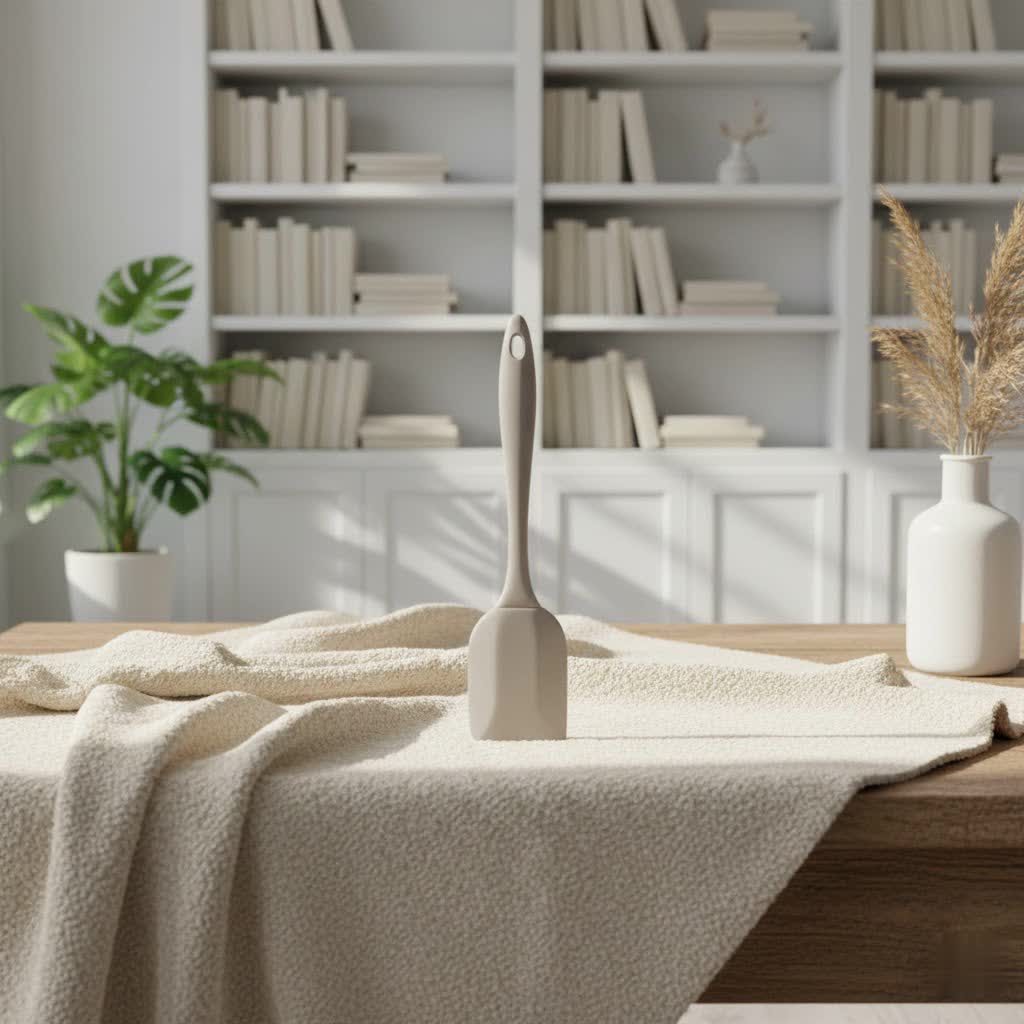
Mini silicone spatulas stand out in a crowded drawer of kitchen gadgets thanks to their unique blend of attributes. Unlike spatulas made from wood, metal, or plastic, silicone offers superior flexibility combined with impressive heat resistance, all while being gentle on your precious non-stick cookware. Their compact size allows for meticulous work that larger tools simply can’t manage. They excel at reaching into tight corners, along curved edges of bowls, and deep into narrow jars, ensuring no delicious morsel goes to waste. This precision not only aids in efficiency but also significantly reduces food waste, making your cooking more economical and environmentally friendly.
The Versatile World of Mini Silicone Spatula Uses
The applications for a mini silicone spatula extend far beyond what you might initially imagine. This tiny tool proves its worth in a multitude of kitchen scenarios:
Baking & Decorating
- Scraping Bowls Clean: Effortlessly gather every last bit of batter, dough, or frosting from mixing bowls, ensuring consistent results and minimizing waste in recipes like cupcakes, cookies, and brownies.
- Small Batches: Ideal for mixing small quantities of ingredients, such as a single mug cake or a small batch of cookie dough, where a larger spatula would be cumbersome.
- Frosting and Decorating: Its small, flexible head is perfect for spreading frosting evenly on cupcakes or small cakes, filling piping bags with precision, and adding delicate touches to your baked goods.
|
Our Picks for the Best Silicone Spatula in 2026
As an Amazon Associate I earn from qualifying purchases.
|
||
| Num | Product | Action |
|---|---|---|
| 1 | 5 Pieces Silicone Spatula Set, Food Grade Rubber Spatula, Upgrade Strong Handle with Ergonomic Grip, Heat Resistant Up to 600°F for Nonstick Cookware, Cooking Candy Series |

|
| 2 | Unicook 2 Pack Flexible Silicone Spatula, Turner, 600F Heat Resistant, Ideal for Flipping Eggs, Burgers, Crepes and More, Black |
|
| 3 | 5 Pieces Silicone Spatula Set, Food Grade Rubber Spatula, Upgrade Strong Handle with Ergonomic Grip, Heat Resistant Up to 600°F for Nonstick Cookware, Cooking |
|
| 4 | NileHome Silicone Spatula Set, 6 Pieces Food Grade Kitchen Utensils with Silicone Brush Heat Resistant BPA-free Rubber Spatula for Scraping, Baking, Cooking, Mixing |
|
| 5 | HOTEC Heat Resistant 600℉ Food Grade Silicone Rubber Spatula Set for Baking, Cooking, and Mixing Non Stick Dishwasher Safe BPA-Free Multicolor Set of 5 |
|
| 6 | Coukre Silicone Spatula Set of 5,High Temperature Resistant, Food Grade Silicone, Dishwasher Safe, for Baking, Cooking (Pure Colorful A) |
|
| 7 | Amazon Basics Silicone Spatulas, 5-Piece Set, BPA-Free, Heat-Resistant and Dishwasher-Safe, Linen Gray |
|
| 8 | Coukre 2 Pack Silicone Spatula Set, High Heat Resistant, BPA Free Kitchen Spatula, Solid & Slotted Turner for Non-Stick Pans, Sautéing, and Flipping (2, PureBlack) |
|
| 9 | DI ORO Silicone Spatula - 600°F Heat-Resistant Rubber Kitchen Spatula for Baking, Scraping, & Mixing - BPA Free Nonstick Cookware Safe Flexible Utensil for Cooking - Seamless & Dishwasher Safe (Black) |
|
| 10 | Pack of 4 Silicone Cooking Utensils Set, Non Stick Solid Spatulas and Heat Resistant Slotted Spoons with Back Hooks, Ideal BPA Free Kitchen Utensils Set for Frying,Serving,Turning,Stirring(KHAKI) |
|
Jar & Container Scraping
- Reaching the Unreachable: Designed specifically to delve into the nooks and crannies of jars, bottles, and other containers, extracting every last drop of condiments like peanut butter, jam, mayonnaise, pesto, tomato paste, or Nutella. Its slender profile and flexible head ensure nothing is left behind.
Small-Scale Cooking
- Stovetop Savvy: With excellent heat resistance (often up to 400-600°F), mini spatulas are perfect for scrambling a few eggs in a small pan, stirring sauces in a pot, or sautéing small quantities of vegetables without scratching non-stick surfaces.
- Tasting & Stirring: Their size is convenient for tasting sauces or soups directly from a simmering pot or stirring delicate mixtures that require gentle handling.
Delicate & Precise Tasks
- Flipping Small Items: Perfect for turning over delicate items like blinis, small pancakes, or individual cookies on a baking sheet.
- Precision Mixing: For recipes that require careful folding of ingredients, such as incorporating whipped egg whites into a batter, the mini spatula offers the control needed to maintain airiness.
Choosing Your Perfect Mini Silicone Spatula: A Detailed Buyer’s Guide
Selecting the right mini silicone spatula involves considering several key features to ensure it meets your specific culinary needs.
Material Quality
Opt for spatulas made from food-grade, BPA-free silicone. This ensures safety, as these materials won’t leach harmful chemicals into your food. Always check the heat resistance rating, which typically ranges from 400°F to 600°F (204°C to 315°C). Higher heat resistance provides greater versatility for cooking tasks.
Design & Construction
- One-piece vs. Two-piece: A one-piece, seamless silicone design is highly recommended for optimal hygiene and durability. Two-piece spatulas, where the head detaches from the handle, can trap food and moisture in the crevices, leading to bacterial growth or mold.
- Flexibility & Sturdiness: A good mini spatula strikes a balance. The head should be flexible enough to conform to the curves of bowls and jars for efficient scraping, yet sturdy enough, often with a rigid core (nylon or fiberglass), to handle mixing thicker batters without buckling. Look for heads that are thicker in the center and taper towards the edges for better support and scraping ability.
- Handle Ergonomics: A comfortable, non-slip handle is crucial, especially during prolonged use. Some handles are entirely silicone, offering consistent heat resistance and grip, while others may incorporate wood or plastic. Be mindful that wooden handles might not be dishwasher safe and may have different heat tolerances.
- Size & Shape Variations: While “mini” is the category, there are subtle variations. Some mini spatulas have traditional flat heads (often with one rounded and one squared edge for different angles), while others are designed as mini spoonulas with a shallow bowl for easier scooping and tasting. Jar scrapers are typically longer and narrower, specifically designed for deep, slender containers. Consider a set that includes various mini shapes for maximum utility.
Brand Reputation & Value
While specific brand names are not crucial, researching reputable kitchenware brands known for quality silicone products can guide your choice. Often, purchasing a set of mini spatulas can offer better value and a broader range of tools for different tasks.
Mẹo Sử Dụng và Bảo Quản Silicone Spatula
To ensure your mini silicone spatulas remain a reliable companion in your kitchen for years to come, proper care and maintenance are essential.
Cleaning and Hygiene
Most silicone spatulas are dishwasher safe, making cleanup a breeze. For an all-silicone, one-piece design, simply toss it in the dishwasher. If your spatula has a wooden handle, it’s best to handwash it to prevent the wood from warping, cracking, or degrading. For stubborn stains or residues, a quick scrub with mild soap and warm water is usually sufficient, as silicone is generally resistant to odors and oily buildup. If you have a two-piece spatula with a detachable head, ensure both parts are thoroughly cleaned and completely dry before reassembling to prevent moisture from getting trapped.
Heat Precautions
While silicone is highly heat resistant, it’s not indestructible. Avoid prolonged direct contact with open flames or extremely hot heating elements, as this can still cause damage, discoloration, or melting over time. Always check the manufacturer’s maximum temperature rating and adhere to it.
Storage
Many spatulas come with a hanging hole at the end of the handle for convenient storage. Storing them in a utensil crock or a kitchen drawer, ensuring they are dry, will help maintain their condition. Be cautious not to store them in a way that allows sharp objects to cut the silicone, as cuts or chunks missing mean it’s time for a replacement to prevent silicone pieces from ending up in your food.
“A well-chosen mini silicone spatula is more than just a tool; it’s an extension of your culinary precision, allowing you to master intricate tasks and extract every ounce of flavor.”
Conclusion
The mini silicone spatula, with its remarkable blend of flexibility, heat resistance, and precise design, proves itself to be an indispensable tool in any modern kitchen. From expertly scraping down bowls and delving into the deepest corners of jars to handling delicate cooking and baking tasks, its advantages are clear. By understanding the key features to look for—such as food-grade material, one-piece construction, and an ideal balance of flexibility and sturdiness—you can confidently choose the perfect mini silicone spatulas to enhance your cooking prowess and minimize waste. Embrace the efficiency and precision this small but mighty tool brings to your culinary endeavors. Isn’t it time to unlock your kitchen’s full potential?
Frequently Asked Questions
Are mini silicone spatulas safe for high heat?
Yes, most mini silicone spatulas are highly heat resistant, typically tolerating temperatures between 400°F and 600°F (204°C to 315°C). This makes them safe for use in hot pans, stirring simmering sauces, and various baking applications without fear of melting or warping. Always check the specific heat rating provided by the manufacturer.
Can I use a mini silicone spatula on non-stick pans?
Absolutely! One of the primary advantages of silicone spatulas, including the mini versions, is their soft, non-abrasive material. They are perfectly safe for use on all types of non-stick cookware and bakeware, as they will not scratch or damage delicate coatings.
What’s the difference between a mini spatula and a jar scraper?
While both are designed for small tasks, a mini spatula typically has a broader head, often with one rounded and one squared edge, making it versatile for scraping bowls and general mixing. A jar scraper, however, is usually longer and narrower, specifically designed to reach deep into tall, slender jars to retrieve contents from the very bottom and sides.
How do I clean my silicone spatula?
Most silicone spatulas are dishwasher safe for easy cleaning. For those with wooden handles, handwashing is recommended. Silicone’s non-porous nature makes it resistant to stains and odors, and most food residues wash off easily with soap and water. For one-piece designs, thorough cleaning is straightforward; for two-piece models, ensure all parts are completely dry before reassembling to prevent moisture buildup.
Are mini silicone spatulas only for baking?
No, mini silicone spatulas are incredibly versatile and are used in a wide range of cooking tasks beyond baking. They are excellent for small-batch cooking, stirring sauces, scrambling eggs in small pans, tasting hot foods, and of course, for their renowned ability to scrape every last bit from jars and containers.
